
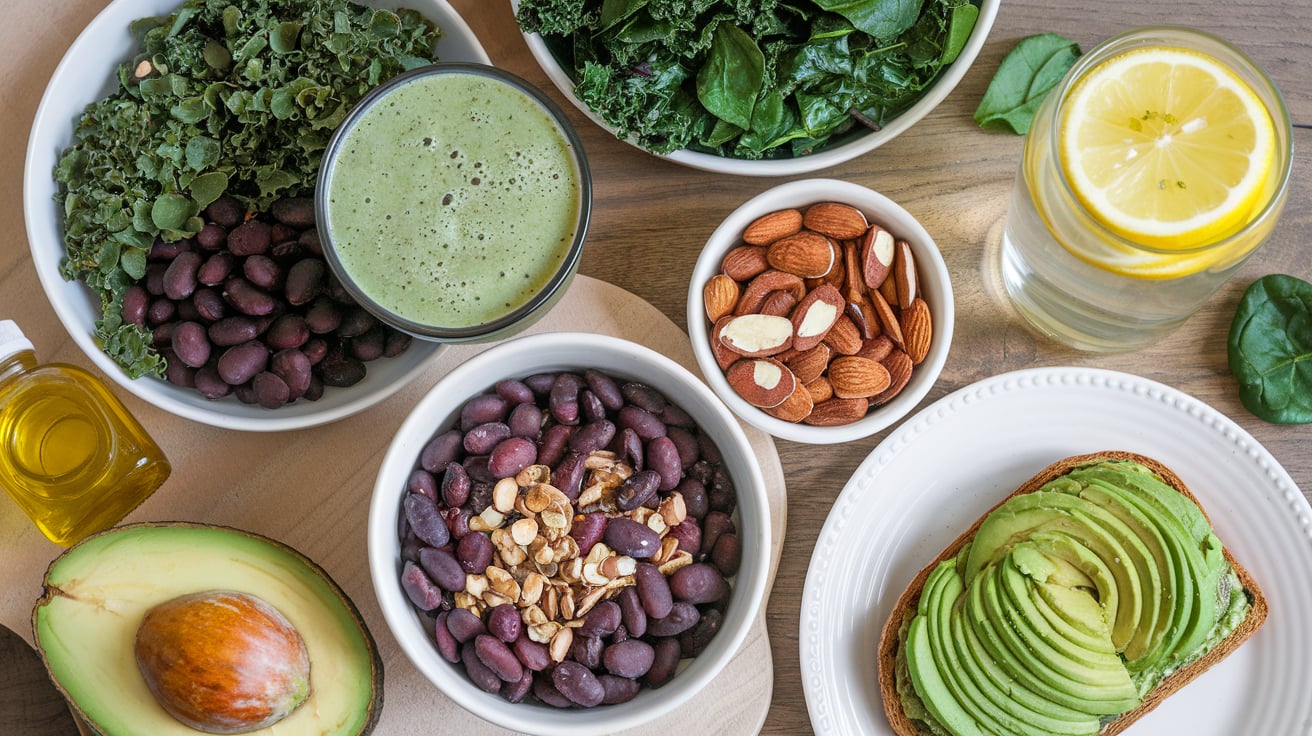
Today, we’re going to talk about exactly what foods you should be eating to help regrow your hair. This is not about taking another supplement; we’re talking about actual foods. I recently came across something very interesting in a research paper, which brought up an idea I hadn’t heard before. After diving deep into one specific amino acid, I found some amazing insights about hair health. I’m excited to share that with you today.
Understanding the Role of Protein in Hair Health
Most people know that hair is made out of protein, so it might seem logical that simply eating more protein would directly support hair growth. However, that doesn’t always work out as expected. In a published paper on deficiencies found in people with hair loss, researchers identified various nutritional deficiencies linked to hair loss. One specific finding stood out: the relationship between the amino acid histidine and hair loss.
Histidine: The Essential Amino Acid for Hair Regrowth
Histidine was found to be deficient in over 90% of people experiencing alopecia, a form of hair loss. This amino acid is crucial, but it’s not advisable to rush out and buy it as a supplement without understanding why you might be deficient in the first place. Histidine isn’t abundant in most foods and is a precursor to histamine, which is involved in immune responses, allergies, inflammation, and healing. A deficiency in histidine can lead to anemia, as it’s necessary for red blood cell formation. Additionally, it benefits the skin, helping with conditions like eczema and dermatitis.
Important Note: Potential Side Effects of Histidine
While histidine has many benefits, excessive intake can lead to issues like premature ejaculation. In addition, histidine plays a direct role in making keratin, the protein responsible for strengthening and hydrating hair. It also helps regulate essential minerals like copper and zinc, both important for hair health.
Suggested Image: Diagram of a hair strand, showing keratin structure and the role of amino acids like histidine in strengthening hair.
Why You Might Be Deficient in Histidine
Certain lifestyle factors can impact histidine levels. For example, alcohol consumption and certain medications can lower histidine levels. Additionally, if you lack sufficient stomach acid, you may struggle to break down and absorb amino acids from the foods you eat, leading to indigestion, gas, or bloating. A solution for this is taking betaine hydrochloride, which helps improve stomach acidity.
Suggested Image: Illustration of the digestive system, highlighting how stomach acid aids nutrient absorption.
Co-Factors Needed for Histidine Absorption
Histidine relies on certain co-factors for proper absorption and function, including:
- Vitamin B6
- Copper and Zinc Balance
- Folate
While B6 is relatively easy to find in foods, maintaining the right copper and zinc ratio can be more challenging. Folate, found in dark leafy green vegetables, is also necessary. However, if you’re on a carnivore diet and avoid vegetables, you might miss out on folate. Interestingly, liver, often consumed on a carnivore diet, is a rich source of folate.
Suggested Image: A comparison chart of food sources rich in B6, copper, zinc, and folate.
Top 3 Foods to Support Hair Growth and Prevent Hair Loss
For those concerned about hair loss, here are three top foods to incorporate into your diet:
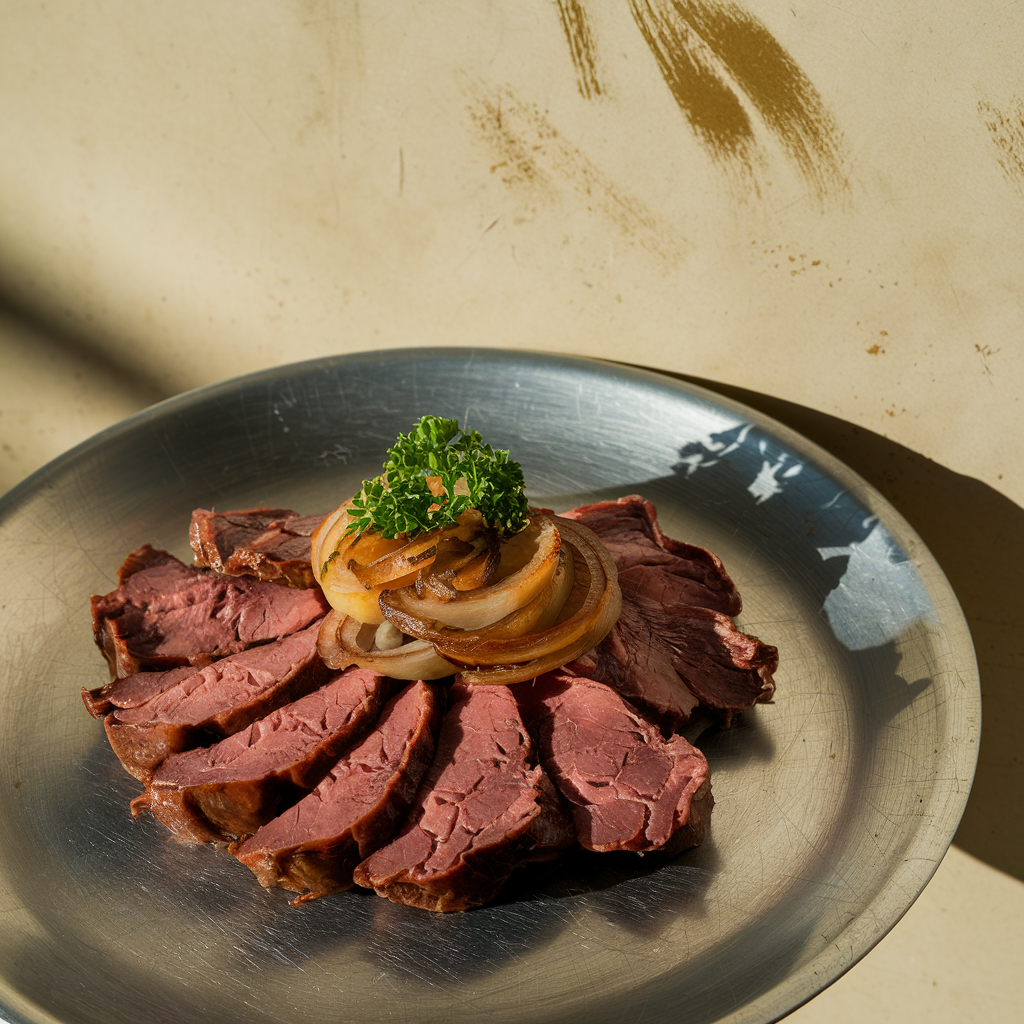
1. Organ Meats
Liver is especially beneficial, and if you’re not a fan, you can take it in supplement form. Consuming small amounts (around 2–3 ounces) is generally safe, but excessive intake could cause issues. Contrary to what some might believe, liver and other organ meats are low in fat.
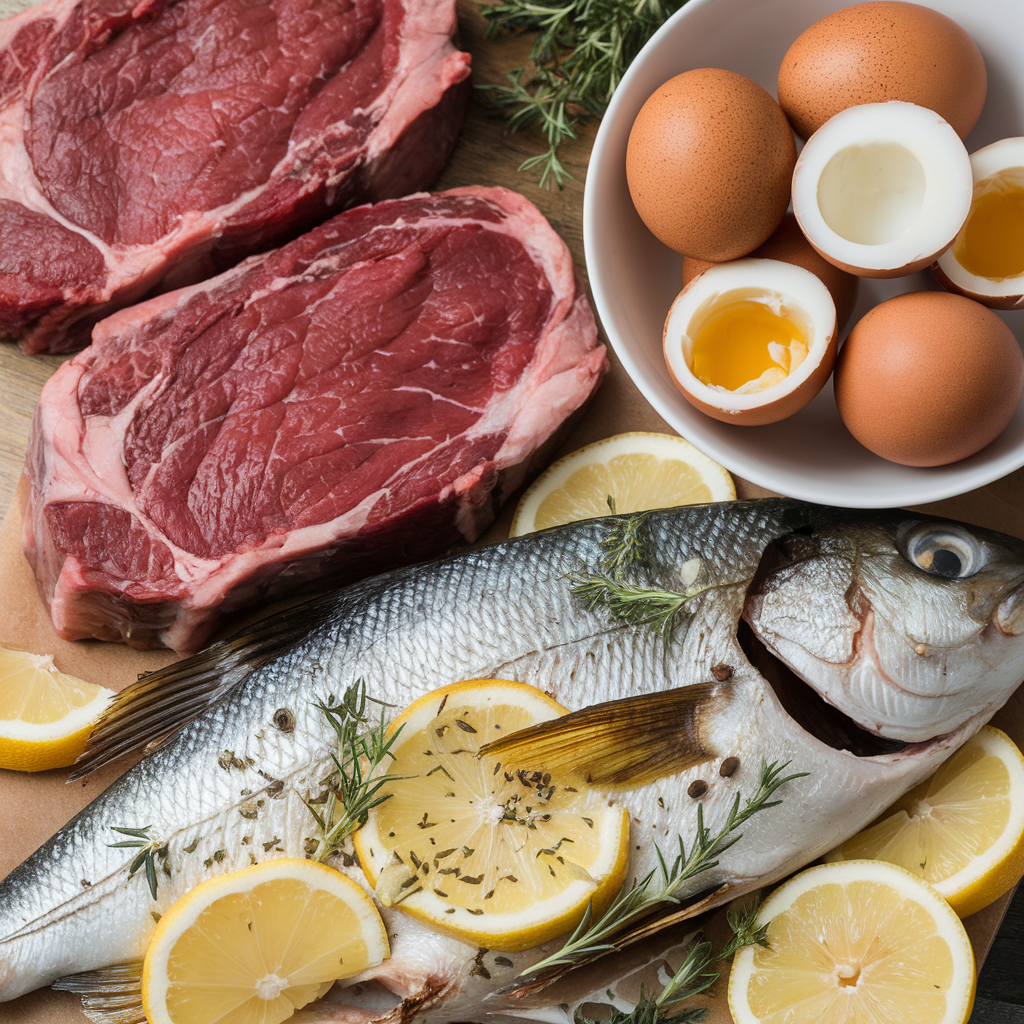
2. Animal Protein
Incorporate more beef, fish, or other animal proteins into your diet. These foods provide essential amino acids and nutrients that support hair health and overall wellness.
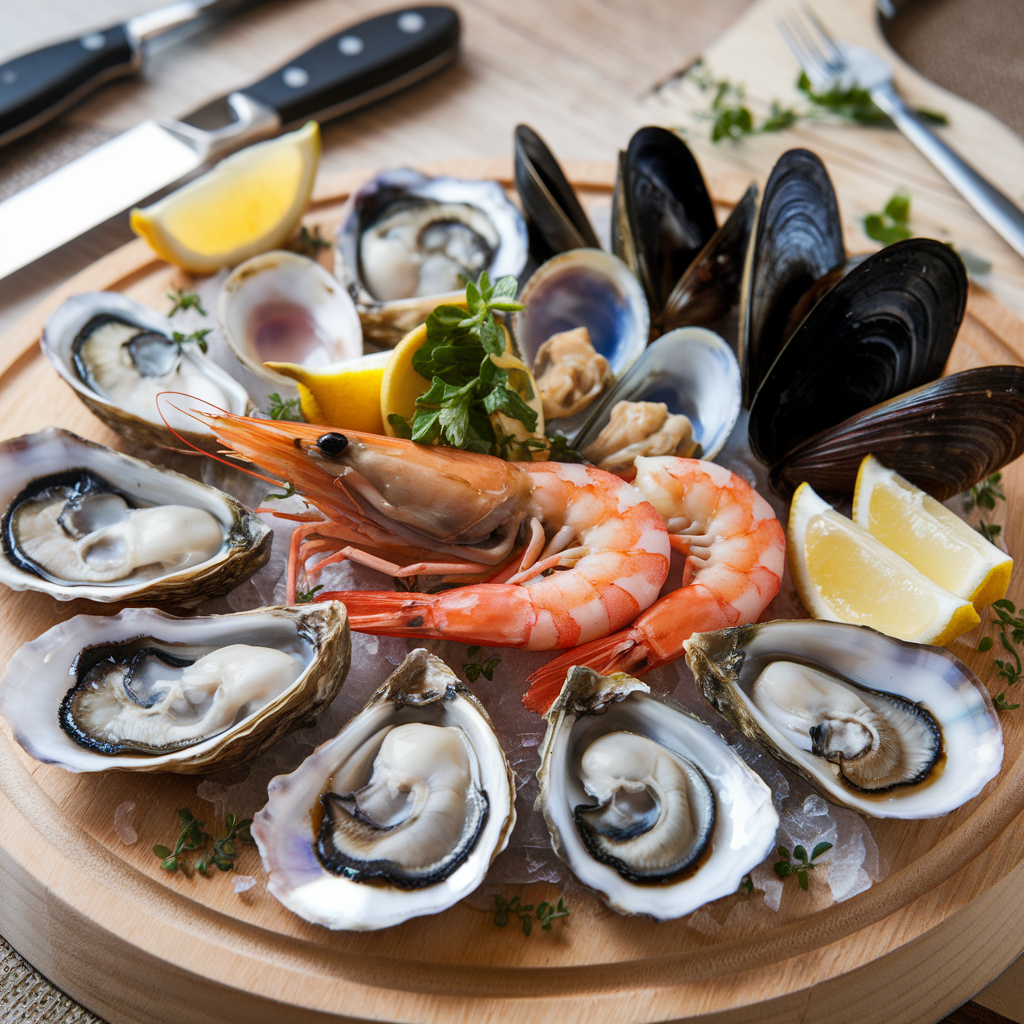
3. Shellfish
Foods like shrimp, scallops, crab, and lobster are rich in zinc and copper, two minerals essential for hair health. Shellfish also provide selenium and other trace minerals that support hair strength and shine.
Final Thoughts: Are You Missing Key Nutrients for Hair Health?
By understanding and incorporating these foods into your diet, you may address key deficiencies contributing to hair loss. If you think histidine or other nutrients may be a factor, consider adding these foods to your routine. If you haven’t already, I recommend watching my video on folate next. This will help you understand more about this important nutrient and its link to hair health. Check it out here!
Frequently Asked Questions (FAQs)
Suggested Image: FAQ section layout with a background of leafy greens or protein-rich foods.
Q: Can I just take a histidine supplement to improve hair health?
A: It’s best to get histidine from food sources since it works alongside other nutrients. Supplements may not address the underlying reason for deficiency.
Q: How much liver should I consume for hair health?
A: Around 2–3 ounces a few times per week should be enough. Avoid consuming large amounts daily, as this could cause other issues.
Q: Are there plant-based options for histidine?
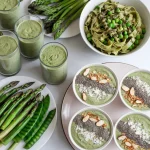
A: Histidine is less abundant in plant foods, so vegans may consider combining sources like beans, lentils, and quinoa for amino acid balance.