
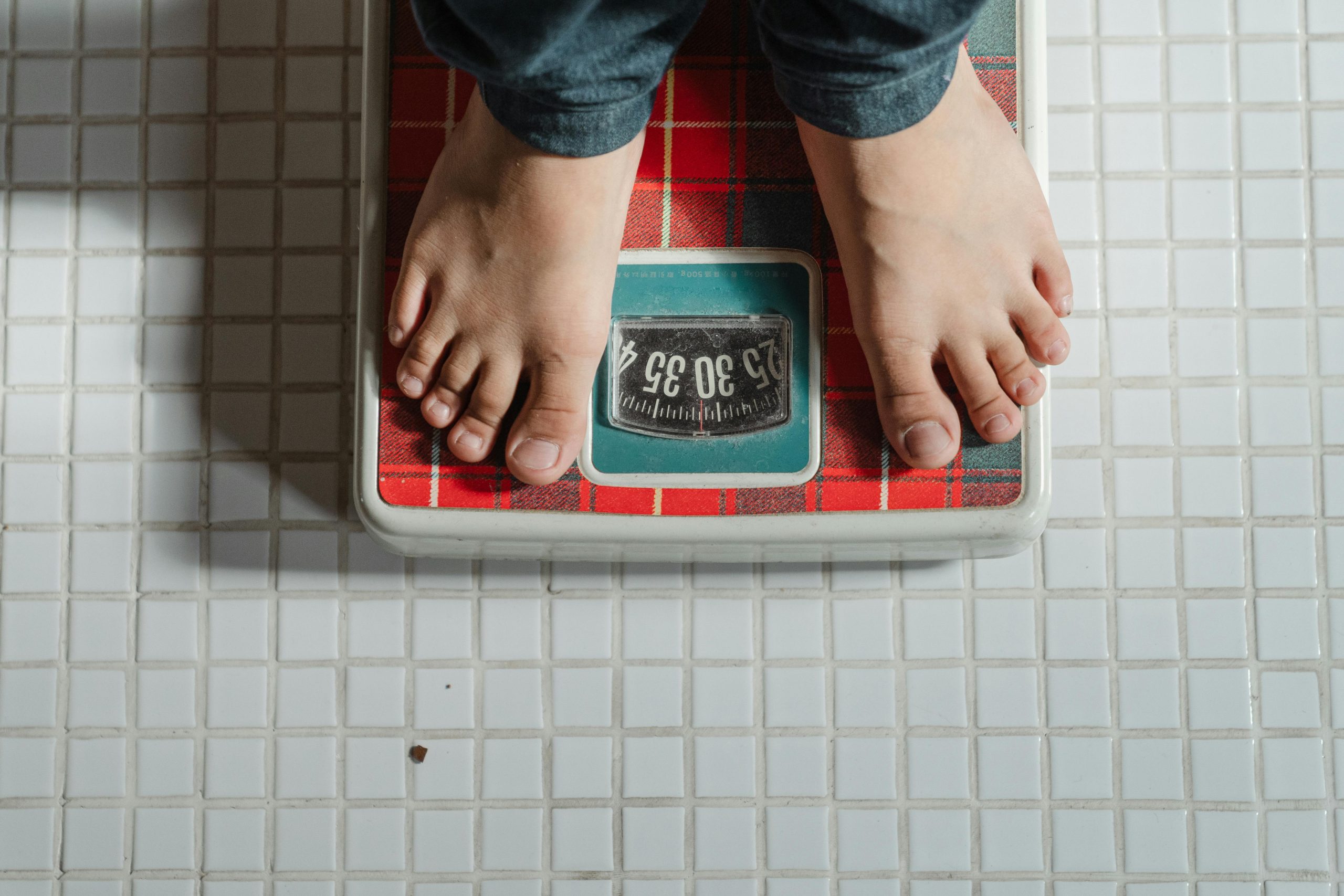
Understanding Weight Loss in a Week
Losing weight in just one week can seem like an ambitious goal, but with the right strategies, it’s achievable. The primary objective is to create a calorie deficit, which means consuming fewer calories than your body needs to maintain its current weight. However, it’s important to approach this goal with realistic expectations and an understanding of the body’s limitations.
Weight loss generally involves a combination of dietary changes, increased physical activity, and lifestyle modifications. In one week, significant weight loss might be primarily due to water weight and reduced bloating rather than substantial fat loss. This is because sustainable fat loss typically requires more time.
Key Factors Influencing Weight Loss:
- Caloric Intake: Reducing your daily calorie intake to create a deficit.
- Physical Activity: Increasing exercise to burn more calories.
- Hydration: Drinking plenty of water to reduce water retention.
- Sleep: Ensuring adequate rest to support metabolic processes.
- Stress Levels: Managing stress, which can affect weight through cortisol levels.
Understanding these factors will help set a foundation for your one-week weight loss plan, focusing on immediate, manageable changes that can kickstart your journey.
Key Principles of Rapid Weight Loss
The Science Behind Weight Loss
To effectively lose weight in one week, it’s crucial to understand the science that drives weight loss. Here’s a breakdown of the core principles:
- Calorie Deficit: Weight loss fundamentally comes down to consuming fewer calories than you expend. When you create a calorie deficit, your body starts to use stored fat for energy. This is why cutting back on calorie intake and increasing physical activity are both essential.
- Metabolism: Your metabolism is the process by which your body converts food into energy. It involves a series of biochemical processes that break down nutrients and use them for energy. A higher metabolic rate can help burn more calories, but individual metabolic rates can vary based on factors like age, sex, and genetic predisposition.
- Fat Loss vs. Water Weight Loss: In a week, a significant portion of weight loss might come from water weight rather than fat loss. This is because reducing carbohydrates and sodium can lead to decreased water retention in the body. However, sustainable fat loss requires a longer period of maintaining a calorie deficit.
Important Data Points:
- 1 pound of fat equals approximately 3,500 calories.
- A daily deficit of 500-1,000 calories can result in a loss of about 1-2 pounds per week.
Safety Considerations
Rapid weight loss, while potentially effective, can pose risks if not approached cautiously. Here are some safety considerations:
- Nutrient Deficiency: Severely restricting calories may lead to deficiencies in essential nutrients. It’s important to maintain a balanced diet even while reducing calories.
- Dehydration: Quick weight loss often results in loss of water weight, which can lead to dehydration. Drinking plenty of fluids is essential.
- Muscle Loss: Rapid weight loss can also result in muscle loss rather than just fat loss. Incorporating strength training into your routine can help mitigate this.
- Consult a Healthcare Provider: Before starting any rapid weight loss plan, consult with a healthcare provider, especially if you have underlying health conditions or are on medication.
Case Study: A study published in the Journal of Clinical Endocrinology & Metabolism found that participants who followed a very low-calorie diet experienced significant short-term weight loss but also faced challenges such as fatigue and nutrient deficiencies. This highlights the need for a balanced approach.
Effective Diet Strategies for Losing Weight in One Week
Understanding Caloric Needs
To lose weight in one week, understanding and managing your caloric intake is critical. Here’s how you can calculate your daily calorie needs and create a calorie deficit:
- Calculate Your Basal Metabolic Rate (BMR): BMR represents the number of calories your body needs at rest to maintain basic physiological functions such as breathing and digestion.BMR Formula (Mifflin-St Jeor Equation):
- For men: BMR= 10 × weight (kg) + 6.25 × height (cm) − 5 × age (years) + 5
- For women: BMR= 10 × weight (kg) + 6.25 × height (cm) − 5 × age (years) − 161
- Determine Your Total Daily Energy Expenditure (TDEE): TDEE includes BMR and calories burned through physical activity. Multiply your BMR by an activity factor to estimate TDEE:
- Sedentary (little or no exercise): BMR × 1.2
- Lightly active (light exercise/sports 1-3 days a week): BMR × 1.375
- Moderately active (moderate exercise/sports 3-5 days a week): BMR × 1.55
- Very active (hard exercise/sports 6-7 days a week): BMR × 1.725
- Super active (very hard exercise & physical job): BMR × 1.9
Example Calculation:
- A 30-year-old woman who is 65 kg and 165 cm tall with moderate activity levels:
- BMR = 10 × 65 + 6.25 × 165 − 5 × 30 − 161 = 1,411 calories
- TDEE = 1,411 × 1.55 = 2,189 calories
- Creating a Caloric Deficit: To lose weight, aim for a daily caloric deficit of 500-1000 calories from your TDEE. This should lead to a weight loss of about 1-2 pounds per week.
Best Foods to Eat
Incorporate these food groups into your diet for effective weight loss:
- High-Protein Foods: Protein can help you feel full longer and supports muscle maintenance. Include lean meats (chicken, turkey), fish, eggs, and plant-based proteins (beans, lentils, tofu).
- Low-Carb Options: Reducing carbohydrate intake can help manage insulin levels and reduce water weight. Opt for vegetables, leafy greens, and whole grains like quinoa and brown rice.
- Fiber-Rich Foods: Foods high in fiber aid digestion and satiety. Examples include fruits (berries, apples), vegetables (broccoli, carrots), and legumes (chickpeas, black beans).
- Hydrating Foods: Foods with high water content can help reduce bloating. Eat cucumbers, watermelon, and oranges.
Sample High-Protein Foods:
| Food | Protein Content (per 100g) |
|---|---|
| Chicken Breast | 31g |
| Salmon | 20g |
| Greek Yogurt | 10g |
| Lentils | 9g |
Foods to Avoid
To maximize your weight loss efforts, avoid these foods:
- Sugary Foods and Drinks: High in empty calories and can spike blood sugar levels. Avoid sodas, candies, and pastries.
- Processed and Fast Foods: Often high in unhealthy fats, sugars, and sodium. Limit consumption of burgers, fries, and packaged snacks.
- High-Fat Foods: Foods high in saturated and trans fats can lead to weight gain and health issues. Cut back on fried foods, fatty cuts of meat, and certain oils.
Sample Meal Plan
Here’s a sample one-week meal plan to kickstart your weight loss:
Day 1:
- Breakfast: Greek yogurt with berries and a sprinkle of chia seeds
- Lunch: Grilled chicken salad with mixed greens and vinaigrette
- Dinner: Baked salmon with steamed broccoli and quinoa
Day 2:
- Breakfast: Oatmeal with a sliced apple and a handful of almonds
- Lunch: Turkey and avocado wrap in a whole grain tortilla
- Dinner: Stir-fried tofu with mixed vegetables and brown rice
Day 3:
- Breakfast: Smoothie with spinach, banana, and protein powder
- Lunch: Lentil soup with a side salad
- Dinner: Grilled shrimp with a side of roasted Brussels sprouts
Day 4:
- Breakfast: Scrambled eggs with spinach and tomatoes
- Lunch: Chickpea and cucumber salad
- Dinner: Baked chicken with sweet potato and green beans
Day 5:
- Breakfast: Cottage cheese with pineapple chunks
- Lunch: Quinoa bowl with black beans, corn, and avocado
- Dinner: Turkey meatballs with zucchini noodles
Day 6:
- Breakfast: Smoothie bowl with berries and nuts
- Lunch: Tuna salad with mixed greens and balsamic dressing
- Dinner: Grilled pork chops with roasted asparagus
Day 7:
- Breakfast: Overnight oats with chia seeds and strawberries
- Lunch: Chicken and vegetable stir-fry
- Dinner: Stuffed bell peppers with ground turkey and vegetables
Effective Exercise Routines for Weight Loss
Types of Exercise
To effectively lose weight in one week, incorporating a variety of exercises can maximize calorie burn and enhance overall fitness. Here’s a breakdown of the types of exercise that are most beneficial:
- Cardiovascular Exercises
- Examples: Running, cycling, swimming, and brisk walking.
- Benefits: Cardiovascular exercises increase your heart rate and help burn calories quickly. They are essential for creating a calorie deficit and improving cardiovascular health.
- Duration: Aim for at least 150 minutes of moderate-intensity or 75 minutes of high-intensity cardio per week.
- Strength Training
- Examples: Weight lifting, bodyweight exercises (push-ups, squats), and resistance band workouts.
- Benefits: Strength training helps build and maintain muscle mass, which in turn boosts your metabolism. Increased muscle mass can lead to higher calorie expenditure even at rest.
- Frequency: Include strength training exercises at least twice a week, focusing on different muscle groups each session.
- High-Intensity Interval Training (HIIT)
- Examples: Burpees, jump squats, sprints, and circuit training.
- Benefits: HIIT alternates between short bursts of intense activity and periods of rest or low-intensity exercise. It’s highly effective for burning calories in a short period and can improve cardiovascular and muscular endurance.
- Duration: 20-30 minutes per session, 3-4 times a week.
Example HIIT Workout:
| Exercise | Duration | Rest |
|---|---|---|
| Jumping Jacks | 1 minute | 30 seconds |
| Burpees | 1 minute | 30 seconds |
| High Knees | 1 minute | 30 seconds |
| Mountain Climbers | 1 minute | 30 seconds |
| Repeat 3 times |
Creating an Exercise Schedule
An effective exercise schedule balances cardio, strength training, and rest:
- Daily Workout Routine:
- Monday: HIIT (20 minutes)
- Tuesday: Strength training (full-body)
- Wednesday: Cardio (30 minutes moderate intensity)
- Thursday: Rest or light activity (walking, stretching)
- Friday: Strength training (focus on upper body)
- Saturday: Cardio (45 minutes moderate intensity)
- Sunday: Rest or yoga
- Balancing Cardio and Strength Training:
- Combine cardio with strength training for a well-rounded fitness routine. For example, alternate between HIIT and weight lifting to keep your workouts diverse and effective.
- Rest and Recovery:
- Rest days are crucial for muscle recovery and to prevent overtraining. Incorporate activities like stretching or light walking on rest days to promote flexibility and blood circulation.
Tips for Staying Motivated
Staying motivated can be challenging, especially when aiming for rapid weight loss. Here are some tips to help you stay on track:
- Set Achievable Goals:
- Set both short-term and long-term goals. For one week, aim for specific milestones such as “complete 5 workouts” or “lose 1-2 pounds.”
- Track Your Progress:
- Use fitness apps or journals to track your workouts and weight loss progress. Seeing improvements can boost motivation and accountability.
- Find a Workout Buddy:
- Exercising with a friend or family member can make workouts more enjoyable and provide additional support and encouragement.
- Celebrate Small Wins:
- Reward yourself for meeting your weekly goals. Rewards can be non-food-related, such as a new workout outfit or a relaxing activity.
Lifestyle Changes to Support Weight Loss
Importance of Sleep
Getting adequate sleep is crucial for effective weight loss. Poor sleep can disrupt metabolic processes and increase hunger hormones, leading to weight gain. Here’s how sleep affects weight loss and tips for improving sleep quality:
- Impact on Weight Loss:
- Hormonal Regulation: Sleep helps regulate hormones such as leptin (which signals satiety) and ghrelin (which stimulates hunger). Lack of sleep can lead to increased hunger and cravings.
- Metabolic Function: Quality sleep supports metabolic health. Poor sleep can lower insulin sensitivity and impair glucose metabolism.
- Tips for Improving Sleep Quality:
- Stick to a Schedule: Go to bed and wake up at the same time every day, even on weekends.
- Create a Relaxing Bedtime Routine: Engage in calming activities such as reading or taking a warm bath before bed.
- Limit Screen Time: Reduce exposure to screens at least an hour before bedtime to minimize blue light interference with melatonin production.
- Maintain a Comfortable Sleep Environment: Ensure your bedroom is cool, dark, and quiet.
Recommended Sleep Duration:
- Adults: 7-9 hours per night
Stress Management
Chronic stress can hinder weight loss by increasing cortisol levels, which can lead to increased appetite and cravings for unhealthy foods. Managing stress effectively is key to maintaining a healthy weight.
- Impact of Stress on Weight:
- Increased Appetite: Stress can trigger emotional eating and cravings for high-calorie comfort foods.
- Fat Storage: Elevated cortisol levels can lead to increased fat storage, particularly in the abdominal area.
- Techniques for Managing Stress:
- Meditation and Deep Breathing: Practicing mindfulness meditation or deep breathing exercises can reduce stress and promote relaxation.
- Regular Physical Activity: Exercise is a great stress reliever and can improve mood and mental well-being.
- Social Support: Connect with friends and family for emotional support and social interaction.
Stress Management Tips:
- Practice Mindfulness: Spend 5-10 minutes daily on mindfulness exercises.
- Exercise Regularly: Aim for at least 30 minutes of moderate exercise most days of the week.
- Engage in Hobbies: Spend time on activities you enjoy to reduce stress and improve mood.
Hydration
Proper hydration is essential for weight loss and overall health. Drinking adequate water helps with metabolism, reduces water retention, and supports optimal bodily functions.
- Role of Water in Weight Loss:
- Boosts Metabolism: Drinking water can temporarily boost your metabolism, aiding in calorie burning.
- Reduces Water Retention: Staying hydrated helps prevent water retention and bloating.
- Promotes Satiety: Drinking water before meals can help you feel fuller and reduce overeating.
- Recommended Daily Water Intake:
- General Guideline: Aim for at least 8-10 cups (2-2.5 liters) of water per day. Individual needs may vary based on factors such as activity level and climate.
Tips for Staying Hydrated:
- Carry a Reusable Water Bottle: Keep a water bottle with you to remind yourself to drink throughout the day.
- Infuse Water with Flavor: Add slices of lemon, cucumber, or berries to enhance the flavor and encourage more water intake.
- Monitor Hydration Levels: Check your urine color; pale yellow indicates proper hydration.
Common Challenges and Solutions
Plateaus and How to Overcome Them
Weight loss plateaus can be frustrating, especially when you’re working hard to shed pounds in a short period. A plateau occurs when your weight stabilizes despite your efforts, usually due to physiological adaptations or lifestyle factors. Here’s how to recognize and overcome a weight loss plateau:
- Understanding Plateaus:
- Metabolic Adaptation: As you lose weight, your metabolism may slow down to conserve energy. This can lead to a reduced calorie burn, making further weight loss challenging.
- Body Composition Changes: Plateaus can also occur when your body adjusts to increased exercise or dietary changes, leading to muscle gain and fat loss, which may not be immediately reflected on the scale.
- Strategies to Break Through Plateaus:
- Adjust Caloric Intake: Reassess your calorie needs and adjust your intake accordingly. Sometimes, reducing calories further or incorporating “refeed” days can help.
- Increase Exercise Intensity: Intensify your workouts by adding more resistance, increasing duration, or incorporating different types of exercises.
- Change Up Your Routine: Introduce variety in your workouts and diet to challenge your body in new ways.
- Track Your Intake: Ensure you’re accurately tracking your food intake and exercise. Small inaccuracies can accumulate and hinder progress.
Example Adjustment: If you’ve been consuming 1,800 calories per day and have reached a plateau, try reducing your intake to 1,700 calories or incorporating an additional 30 minutes of cardio per week.
Dealing with Cravings
Cravings can be a significant obstacle when trying to lose weight quickly. They often arise due to psychological factors or nutritional deficiencies. Here’s how to manage and overcome cravings:
- Understanding Cravings:
- Psychological Triggers: Stress, boredom, or emotional triggers can lead to cravings for comfort foods.
- Nutritional Deficiencies: Cravings may also indicate a lack of specific nutrients. For example, a craving for chocolate might signal a need for magnesium.
- Strategies to Combat Cravings:
- Stay Hydrated: Sometimes, thirst can be mistaken for hunger. Drink a glass of water before reaching for a snack.
- Choose Healthy Alternatives: Replace unhealthy snacks with nutritious options such as fruits, nuts, or yogurt.
- Mindful Eating: Practice mindful eating by paying attention to hunger cues and savoring your food. Avoid eating out of habit or boredom.
- Keep Busy: Distract yourself with activities or hobbies to manage emotional or stress-related cravings.
Healthy Snack Ideas:
- Apple Slices with Almond Butter
- Greek Yogurt with Berries
- Carrot Sticks with Hummus
Maintaining Motivation
Maintaining motivation throughout your weight loss journey is crucial, especially when targeting rapid results. Here are some strategies to help you stay motivated and committed to your goals:
- Set Clear and Achievable Goals:
- Short-Term Goals: Establish specific, measurable short-term goals such as “lose 1-2 pounds this week” or “complete 4 workout sessions.”
- Long-Term Goals: Define broader objectives like “reach my target weight in 3 months” or “improve overall fitness.”
- Track Your Progress:
- Use Fitness Apps: Track your workouts, food intake, and weight loss progress using apps or journals. Seeing tangible progress can boost motivation.
- Take Photos: Regularly take progress photos to visually monitor changes in body composition.
- Find a Workout Buddy:
- Support System: Exercising with a friend or family member can provide accountability and make workouts more enjoyable.
- Group Activities: Join a fitness class or group activity to stay engaged and motivated.
- Reward Yourself:
- Non-Food Rewards: Set up a reward system for reaching milestones. Consider rewards like a new workout outfit, a massage, or a relaxing day off.
Example Reward System:
- Reach 1 Week Goal: Treat yourself to a new fitness accessory.
- Complete 3 Weeks: Enjoy a day of relaxation or a favorite hobby.
Monitoring Your Progress
Tracking Your Weight Loss
Monitoring progress is essential for staying motivated and understanding how well your weight loss strategies are working. Here’s how to effectively track your weight loss:
- Tools for Tracking:
- Digital Scales: Use a digital scale for accurate and consistent weight measurements. Weigh yourself at the same time each day for consistency.
- Fitness Apps: Apps like MyFitnessPal, Lose It!, and Fitbit can help you track caloric intake, exercise, and weight changes.
- Journals: Maintain a weight loss journal to record daily food intake, exercise routines, and emotional reflections.
- Frequency of Weighing:
- Weekly Weigh-Ins: Weigh yourself once a week at the same time of day and under the same conditions. Daily fluctuations are normal due to water retention and other factors, so weekly tracking provides a clearer picture of trends.
- Record Trends: Look for trends over weeks rather than focusing on daily weight changes to get an accurate sense of progress.
Weight Tracking Example:
| Date | Weight (lbs) | Comments |
|---|---|---|
| Week 1 | 150 | Starting weight |
| Week 2 | 148 | Minor drop, felt more energetic |
| Week 3 | 146 | Consistent progress |
| Week 4 | 145 | Plateau, need to adjust diet or exercise |
Assessing Other Metrics
In addition to weight, consider monitoring other metrics to get a comprehensive view of your progress:
- Body Composition:
- Body Measurements: Measure your waist, hips, chest, arms, and legs to track changes in body composition. Sometimes the scale doesn’t reflect changes in muscle and fat distribution.
- Body Fat Percentage: Tools like body fat scales or calipers can help measure body fat percentage. Reductions in body fat are a good indicator of improved fitness.
- Energy Levels and Overall Well-Being:
- Energy Levels: Pay attention to how your energy levels fluctuate throughout your weight loss journey. Increased energy and improved mood can be positive signs of progress.
- Physical and Mental Health: Note any improvements in physical fitness, such as increased endurance or strength, as well as mental well-being, including reduced stress or improved sleep.
Body Measurement Tracking Example:
| Date | Waist (in) | Hips (in) | Chest (in) | Arm (in) | Leg (in) |
|---|---|---|---|---|---|
| Week 1 | 32 | 40 | 36 | 12 | 22 |
| Week 2 | 31 | 39 | 35 | 11.5 | 21.5 |
| Week 3 | 30.5 | 38.5 | 35 | 11 | 21 |
| Week 4 | 30 | 38 | 34.5 | 10.5 | 20.5 |
Conclusion
Summary of Key Points
To lose weight in one week effectively, you need a balanced approach that combines dietary changes, exercise, and lifestyle adjustments:
- Diet: Focus on creating a calorie deficit through a balanced diet that includes high-protein foods, low-carb options, and hydration while avoiding sugary, processed, and high-fat foods.
- Exercise: Incorporate a mix of cardiovascular exercises, strength training, and HIIT to maximize calorie burn and improve overall fitness.
- Lifestyle Changes: Ensure adequate sleep, manage stress, and stay hydrated to support weight loss and overall health.
Final Tips for Success
- Stay Consistent: Consistency is key. Adhere to your meal plan, exercise routine, and lifestyle changes throughout the week.
- Be Patient: Rapid weight loss might show quick results, but sustainable changes are crucial for long-term success. Aim to adopt habits that support continuous progress.
- Seek Support: Don’t hesitate to reach out for professional help if needed. A dietitian, personal trainer, or healthcare provider can offer personalized guidance and support.
Encouragement and Next Steps
Embarking on a weight loss journey can be challenging, but with determination and the right strategies, you can achieve your goals. Remember that every step you take towards healthier habits is a victory. Continue to build on these changes and stay motivated.
Resources for Further Reading:
- Books: “The 4-Hour Body” by Timothy Ferriss, “Atomic Habits” by James Clear
- Websites: Mayo Clinic’s Weight Loss Resources, American Heart Association’s Weight Management Tips
- Professional Help: Consider consulting a registered dietitian or a certified personal trainer for personalized advice and support.
Motivational Quote: “Success is the sum of small efforts, repeated day in and day out.” — Robert Collier