
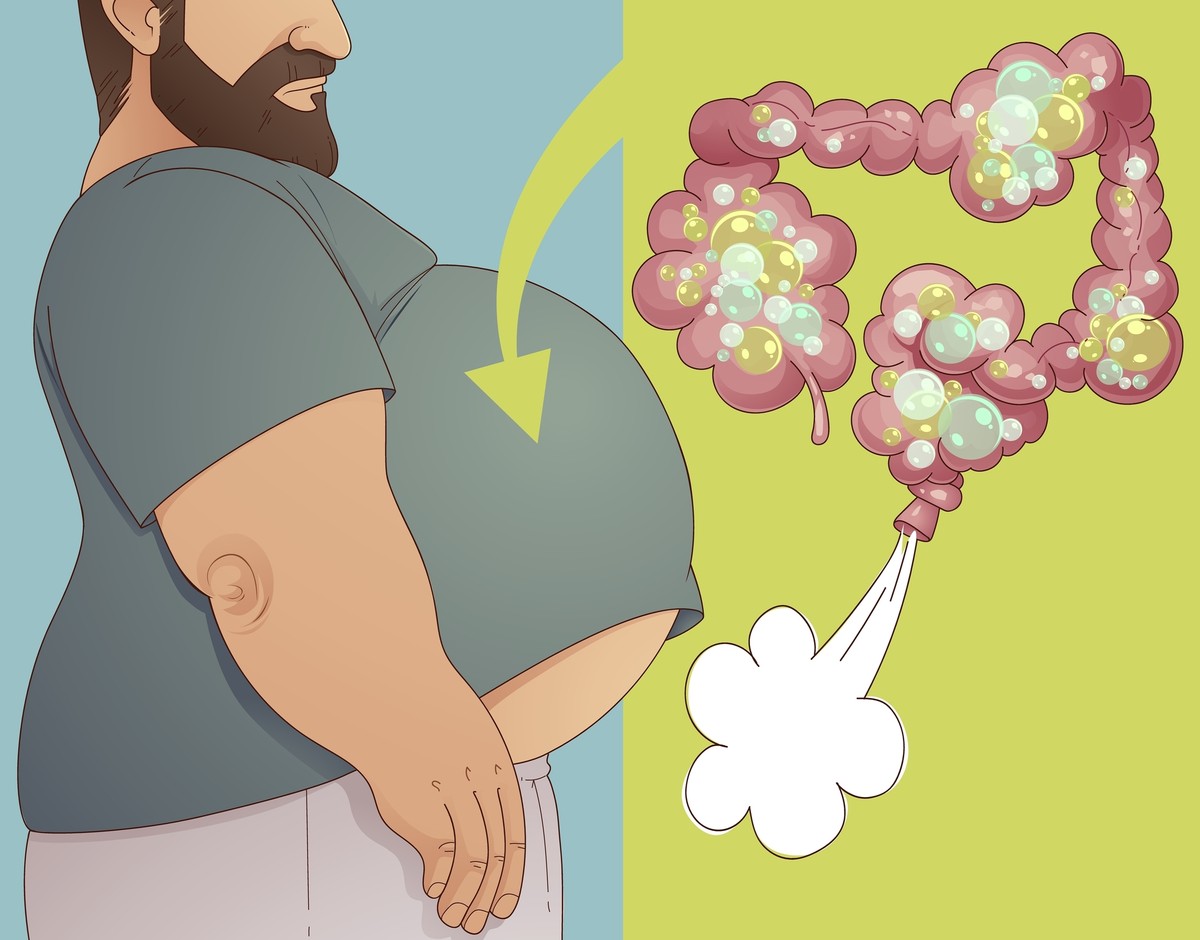
How to Stop Bloating Permanently!
Today we’re going to teach you what’s behind bloating so you can permanently get rid of bloating. When you eat food, you chew it, and it goes through the esophagus, then down to the stomach. In the stomach, you have a lot of acid. The reason why it’s so acidic in the stomach is to break down proteins. The acid also kills any microbes that may be on the food.
Then we have a mixture in the stomach that moves into the small intestine, where about 90% of food is digested. You also have various organs and substances helping in this process. For example, the gallbladder releases bile to break down fats. You also have secondary bile salts produced by microbes in your gut. On the left side of your body, there’s the pancreas, which releases enzymes to help break down carbohydrates and proteins.
At this stage, both enzymes and certain microbes in the small and large intestine contribute to the digestion process. 20% of all digestive enzymes are made by your microbes. Additionally, acids like lactic acid are created, which help the good microbes thrive because they thrive in an acidic environment.
Causes of Bloating
So, what does all this have to do with bloating? Well, bloating is essentially a problem with digestion. You could have two people eat the same food, and one might bloat while the other doesn’t. The main difference between these two people is the type, amount, and diversity of gut bacteria they have. Your microbial density and the health of your microbes are greatly affected by whether or not you’ve taken antibiotics in the past, and how many you’ve taken.
The greatest misconception about antibiotics is that they cause a temporary reduction in your microbes, and that they’ll come back to normal in a few weeks. This is absolutely a lie. If you’ve ever taken an antibiotic, the composition of your microbes has never fully returned to its original diversity or amount.
Microbes That Affect Bloating and Digestion
Here’s a quick chart showing different types of microbes normally found in your gut. You don’t need to memorize them, but just understand that these are the microbes that help with digestion.
- The “L” stands for Lactobacillus, and the “B” stands for Bifidobacterium.
- After someone takes a broad-spectrum antibiotic, the percentage of loss of these microbes can be as high as 50-75%, 70-90%, and in some cases, up to 99%.
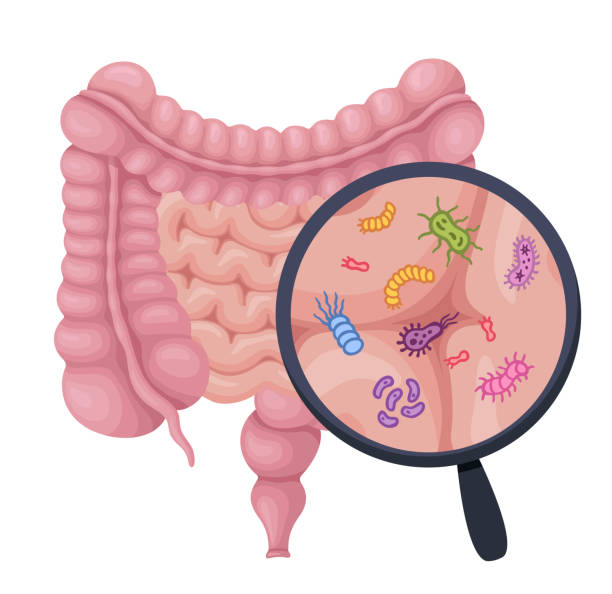
Without these important microbes, you’re missing their contribution to digestion, such as helping you break down bile, which is essential for fat digestion. These microbes are also involved in reducing the risk of small intestinal bacterial overgrowth (SIBO). Without them, you can experience bloating, gas, burping, constipation, and other digestive issues.
Other Causes of Bloating
There are other things, beyond antibiotics, that can affect your gut microbiome and lead to bloating. One of the most common culprits is glyphosate, a weed killer created by Monsanto, which has been patented as an antibiotic because it kills microbes. If you’re constantly exposed to glyphosate, it could disrupt your gut health.
In fact, non-GMO foods may contain even higher levels of glyphosate because they are sprayed with it to dry out crops. In addition, other substances can act as antibiotics, including:
- Birth control pills
- Steroids like prednisone
- Medications for depression
- PPIs (used for acid reflux)
- Artificial sweeteners
- Fluoride in the water supply
- Statin medications
If you need to take antibiotics, it’s crucial to take a high-quality probiotic at the same time and for a period afterward. This will help replace the beneficial bacteria that antibiotics may have killed.
A Key Point About Antibiotics
While it’s often advised to complete the full course of antibiotics (e.g., 7 days, 10 days), some recent research suggests that this might not always be necessary. New studies indicate that it may be safe to stop the antibiotic treatment once you feel better, sometimes as early as 3 days. Continuing antibiotics longer than necessary can lead to antibiotic resistance.
Additionally, we are exposed to antibiotics in many other ways. Approximately 80% of antibiotics sold in the U.S. are used for livestock, which we consume when we eat meat. This can lead to additional exposure to antibiotics, potentially disrupting your gut microbiome.
Even people with kidney stones may be impacted by antibiotics. For example, Oxalobacter formigenes, a probiotic microbe that helps break down oxalates, can be killed off by antibiotics. This may lead to an accumulation of oxalates in the body, contributing to conditions like kidney stones.
How to Reduce Bloating
The solution to bloating is to restore the beneficial microbes that have been lost due to antibiotics or other factors. A high-quality probiotic can help you replace these missing microbes. Another important factor is consuming fermented products regularly, like dairy fermented foods such as kefir or high-quality yogurt, and fermented vegetables like sauerkraut, kimchi, and pickles. These can support better digestion.
Another critical point is that most of the microbes in your body are dormant (asleep). To “wake up” these microbes, you need to bring your gut’s pH into the right range—more acidic. Consuming acidic foods like kombucha or apple cider vinegar can help “wake up” dormant microbes, allowing them to start working. These active microbes can support bile production, aid in breaking down carbohydrates (including fiber), fats, and relieve stress on the pancreas, gallbladder, stomach, and small intestine.
When you lose these microbes, other organs must work harder to compensate, which can lead to fatigue and lower enzyme production, resulting in various digestive issues. The solution is to restore your gut microbiome by adding back the missing microbes.
Conclusion
Putting the right microbes back into your gut is the key to reducing bloating and improving digestion. If you’re interested, I’ll put a link down in the description for a high-quality probiotic I recommend, which could help support your gut health.