
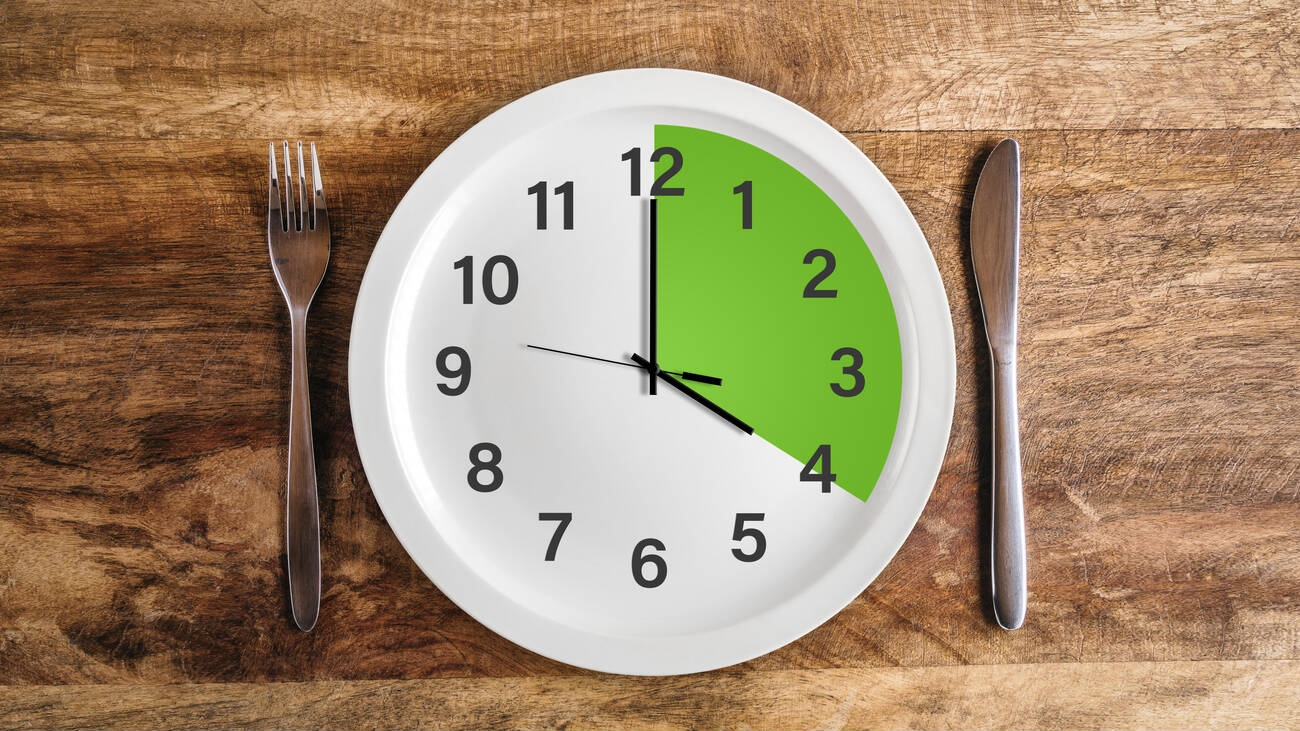
What is Intermittent Fasting?
Intermittent fasting (IF) is an eating pattern that alternates between periods of fasting and eating. Unlike traditional dieting, which focuses on what you eat, intermittent fasting emphasizes when you eat. This approach is less about calorie restriction and more about the timing of food intake, which can lead to significant changes in how your body processes food and uses energy.
Historical Background: Intermittent fasting has ancient roots. Various cultures and religions have practiced fasting for centuries as part of their spiritual and health traditions. Modern interest in intermittent fasting surged with increasing scientific research showing its potential benefits for weight management and metabolic health.
Why is Intermittent Fasting Popular?
The rise in popularity of intermittent fasting can be attributed to several factors:
- Scientific Research: Studies have highlighted potential benefits like improved insulin sensitivity, weight loss, and longevity.
- Celebrity Endorsements: Public figures and influencers often share their positive experiences with intermittent fasting, making it more appealing.
- Ease of Adoption: Unlike complex diets, intermittent fasting can be straightforward and adaptable to various lifestyles.
Understanding Intermittent Fasting
What are the Different Methods of Intermittent Fasting?
Intermittent fasting is not a one-size-fits-all approach. There are several methods, each with its own structure and benefits:
- 16/8 Method: Fast for 16 hours and eat during an 8-hour window. This method is also known as time-restricted eating.
- Alternate-Day Fasting: Alternate between days of regular eating and days of fasting or very reduced caloric intake.
- 5:2 Diet: Eat normally for five days of the week and limit caloric intake to around 500-600 calories on two non-consecutive days.
- Eat-Stop-Eat: Involves fasting for 24 hours once or twice a week.
Comparison Table: Common Intermittent Fasting Methods
| Method | Fasting Period | Eating Window | Pros | Cons |
|---|---|---|---|---|
| 16/8 Method | 16 hours | 8 hours | Simple, flexible, supports weight loss | Can be challenging initially |
| Alternate-Day | 24 hours | 24 hours | Potential for significant weight loss | Can be hard to maintain long-term |
| 5:2 Diet | 24 hours | 5 days a week | Allows for normal eating most days | Can cause overeating on non-fast days |
| Eat-Stop-Eat | 24 hours | Varies | Effective for fat loss and metabolic health | May lead to extreme hunger |
Key Principles of Intermittent Fasting
Intermittent fasting operates on several core principles:
- Fasting vs. Eating Windows: The primary concept is to create periods when the body is not processing food, which can improve metabolic processes. The fasting period allows the body to switch from using glucose to burning fat for energy.
- The Science Behind Intermittent Fasting: During fasting, insulin levels drop, and the body starts to use stored fat for energy. This process can enhance metabolic health, improve insulin sensitivity, and reduce inflammation.
The 16/8 Method
What is the 16/8 Method?
The 16/8 method involves fasting for 16 hours and consuming all daily calories within an 8-hour window. For instance, if you finish dinner at 8 PM, you wouldn’t eat again until 12 PM the next day. This method simplifies fasting by aligning with natural daily rhythms and can be easier to incorporate into a regular schedule.
How to Implement the 16/8 Method
Sample Schedule:
- 8:00 AM – 12:00 PM: Fast (water, tea, and coffee are allowed without cream or sugar)
- 12:00 PM – 8:00 PM: Eating window (balanced meals with proteins, fats, and carbohydrates)
- 8:00 PM – 8:00 AM: Fast
Tips for Success:
- Start Gradually: If 16 hours feels too long, start with 12 hours and gradually increase the fasting period.
- Stay Hydrated: Drink plenty of water throughout the fasting period to stay hydrated.
- Balanced Meals: Focus on nutrient-dense foods to maximize the benefits of the eating window.
Benefits of the 16/8 Method
- Weight Loss: Many people find that the 16/8 method naturally leads to reduced calorie intake and supports weight loss.
- Improved Metabolic Health: Research suggests that intermittent fasting can improve insulin sensitivity and lower blood sugar levels.
- Increased Energy Levels: Many users report feeling more energetic during the day, possibly due to better regulation of blood sugar levels.
Potential Challenges and Solutions
- Hunger and Cravings: Initially, you might experience hunger pangs. Drinking water, herbal teas, or black coffee can help.
- Social and Lifestyle Adjustments: Social events or work schedules may conflict with fasting periods. Plan your eating window around these activities when possible.
Please let me know if you’d like to proceed with the next section or if you need any changes to this part of the blog post!
Alternate-Day Fasting
What is Alternate-Day Fasting?
Alternate-day fasting (ADF) involves a cyclical approach to eating and fasting. On fasting days, you either abstain from food entirely or consume a very reduced amount of calories (typically around 500-600). On non-fasting days, you eat normally. This method aims to create a pattern of caloric restriction while still allowing for regular eating days.
Example Schedule:
- Day 1: Regular eating (no restrictions on calorie intake)
- Day 2: Fasting (consume 500-600 calories or no food)
- Day 3: Regular eating
- Day 4: Fasting
- Repeat the cycle
How to Follow Alternate-Day Fasting
Sample Fasting Day Plan:
- Morning: Black coffee or herbal tea
- Midday: A small serving of low-calorie vegetables or a piece of fruit
- Evening: A light meal with lean protein and vegetables, ensuring total caloric intake stays around 500-600 calories
Tips for Managing Caloric Intake:
- Plan Meals: Prepare meals ahead of time to avoid temptation and ensure you stay within your calorie limits.
- Stay Hydrated: Drink plenty of water or low-calorie beverages to help manage hunger.
- Balanced Nutrition: Focus on nutrient-dense foods to meet your daily vitamin and mineral requirements despite the reduced calorie intake.
Benefits of Alternate-Day Fasting
- Weight Loss and Fat Loss: ADF can lead to significant weight loss due to the caloric deficit created by fasting days. Some studies suggest it may be more effective than daily calorie restriction.
- Metabolic Health Improvements: Evidence indicates that ADF can improve markers such as insulin sensitivity, blood glucose levels, and lipid profiles.
- Longevity and Cellular Health: ADF may promote autophagy—a process where cells remove damaged components—potentially supporting longevity and reducing the risk of chronic diseases.
Potential Challenges and Solutions
- Managing Hunger and Energy Levels: On fasting days, hunger and reduced energy can be issues. Drinking water and consuming low-calorie, high-water-content foods can help mitigate these effects.
- Social and Personal Life: Social events and family meals can be challenging to navigate. Planning and communicating your schedule with others can help you stick to the plan without feeling isolated.
Comparing 16/8 Method and Alternate-Day Fasting
Which Method is More Effective for Weight Management?
When comparing the 16/8 method and alternate-day fasting (ADF) for weight management:
- 16/8 Method: Generally promotes a moderate caloric deficit and is easier for many people to adhere to consistently.
- Alternate-Day Fasting: Can lead to more substantial weight loss due to the greater caloric deficit created by fasting every other day. However, it may be harder to maintain long-term.
Impact on Metabolic Health
- Insulin Sensitivity: Both methods can improve insulin sensitivity, but individual results may vary. The 16/8 method is often easier to integrate into daily life, potentially leading to more consistent benefits.
- Blood Sugar Levels: Both methods can help regulate blood sugar levels, though the more frequent fasting of ADF might have more pronounced effects in some individuals.
Ease of Adherence
- 16/8 Method: Many people find this method easier to follow because it involves daily fasting periods that can be integrated into a regular schedule without drastic changes.
- Alternate-Day Fasting: While effective, it requires more significant adjustments and may be more challenging to adhere to, especially for social or lifestyle reasons.
Flexibility and Lifestyle Integration
- 16/8 Method: Offers more flexibility and is easier to fit into various lifestyles, including work and social schedules.
- Alternate-Day Fasting: May require more planning and adjustment, but some find the flexibility of eating normally on non-fasting days beneficial.
General Benefits of Intermittent Fasting
Weight Management and Fat Loss
Intermittent fasting supports weight management by:
- Reducing Caloric Intake: Limiting the eating window or alternating fasting days can naturally lead to a caloric deficit.
- Enhancing Fat Oxidation: Fasting periods encourage the body to burn stored fat for energy.
Metabolic Health
Benefits for metabolic health include:
- Improved Insulin Sensitivity: Fasting can help regulate insulin levels and improve the body’s response to glucose.
- Lower Inflammation: Research shows that intermittent fasting can reduce markers of inflammation, potentially lowering the risk of chronic diseases.
Cellular Health and Longevity
Intermittent fasting may promote:
- Autophagy: The fasting state triggers autophagy, a process where cells clean out damaged components. This can enhance cellular function and longevity.
- Reduced Risk of Chronic Diseases: Regular fasting may lower the risk of diseases such as heart disease, diabetes, and cancer by supporting overall health and reducing inflammation.
Potential Risks and Considerations
Who Should Avoid Intermittent Fasting?
Intermittent fasting may not be suitable for:
- Pregnant or Nursing Women: Nutritional needs are higher during pregnancy and breastfeeding.
- Individuals with Eating Disorders: Restrictive eating patterns can exacerbate disordered eating behaviors.
- People with Certain Health Conditions: Those with diabetes or other medical conditions should consult a healthcare provider before starting intermittent fasting.
Possible Side Effects
Common side effects include:
- Hunger and Irritability: Initial fasting periods can cause hunger and mood swings.
- Fatigue: Some people experience decreased energy, especially in the beginning.
Consulting with Healthcare Providers
Before starting any intermittent fasting regimen, it’s essential to:
- Seek Professional Advice: Consult with a healthcare provider to ensure it’s appropriate for your health condition.
- Monitor Health Markers: Regular check-ups can help track the impact of fasting on overall health.
Practical Tips for Success
Starting Intermittent Fasting
Tips for Beginners:
- Ease Into It: Start with shorter fasting periods and gradually increase as you become more comfortable.
- Track Your Progress: Use a journal or app to monitor your eating patterns, weight, and energy levels.
Maintaining a Balanced Diet
Focus on Nutrient-Dense Foods:
- Proteins: Lean meats, fish, eggs, and legumes.
- Fruits and Vegetables: Provide essential vitamins and minerals.
- Healthy Fats: Avocados, nuts, and olive oil.
Staying Hydrated
Hydration Tips:
- Drink Water: Aim for at least 8 glasses a day.
- Non-Caloric Beverages: Herbal teas and black coffee can help with hunger and hydration.
FAQs About Intermittent Fasting
Can I Drink Coffee During the Fast?
Yes, black coffee is generally allowed during fasting periods as it contains minimal calories and can help suppress appetite.
What Can I Eat During the Eating Window?
Focus on balanced meals that include proteins, healthy fats, and complex carbohydrates. Avoid excessive sugars and processed foods to maximize benefits.
How Long Should I Follow Intermittent Fasting?
Intermittent fasting can be followed long-term, but it’s important to listen to your body and adjust as needed. Consulting with a healthcare provider can help determine the best approach for you.
Conclusion
Summary of Key Points
Intermittent fasting, including methods like the 16/8 method and alternate-day fasting, offers a range of benefits from weight management to improved metabolic health. Understanding how each method works and its impact on your body can help you choose the best approach for your lifestyle and health goals.
Final Thoughts on Choosing the Right Method
When selecting an intermittent fasting method, consider factors such as your daily schedule, lifestyle, and specific health goals. Both the 16/8 method and alternate-day fasting have unique advantages, so the right choice depends on what fits best with your personal needs and preferences.
Encouragement to Experiment and Monitor Results
Intermittent fasting can be a powerful tool for health and weight management. Experiment with different methods to find what works best for you, and monitor your progress to make informed adjustments.
FAQs About Intermittent Fasting
What is Intermittent Fasting?
Intermittent fasting is an eating pattern that alternates between periods of fasting and eating. Unlike traditional diets that focus on what you eat, intermittent fasting emphasizes when you eat, which can help with weight management and metabolic health.
What are the Different Methods of Intermittent Fasting?
Common methods of intermittent fasting include:
- 16/8 Method: Fast for 16 hours and eat within an 8-hour window.
- Alternate-Day Fasting: Alternate between days of regular eating and days of fasting or very low caloric intake.
- 5:2 Diet: Eat normally for 5 days and restrict calories to 500-600 on 2 non-consecutive days.
- Eat-Stop-Eat: Fast for 24 hours once or twice a week.
How Does the 16/8 Method Work?
The 16/8 method involves fasting for 16 hours each day and eating within an 8-hour window. For example, you might eat between 12 PM and 8 PM and fast from 8 PM to 12 PM the next day. This method simplifies fasting by aligning with natural daily rhythms.
What are the Benefits of the 16/8 Method?
The 16/8 method can offer several benefits, including:
- Weight loss through reduced calorie intake
- Improved metabolic health and insulin sensitivity
- Increased energy levels and better concentration
How Does Alternate-Day Fasting Differ from the 16/8 Method?
Alternate-day fasting involves fasting every other day, either by consuming very few calories or by not eating at all. The 16/8 method focuses on a daily fasting window of 16 hours. Alternate-day fasting may lead to more significant weight loss due to a larger caloric deficit but can be harder to adhere to compared to the 16/8 method.
Is Intermittent Fasting Safe for Everyone?
Intermittent fasting may not be suitable for everyone. It is generally not recommended for:
- Pregnant or breastfeeding women
- Individuals with eating disorders
- People with certain medical conditions (consult with a healthcare provider)
Can I Drink Coffee During Intermittent Fasting?
Yes, black coffee is typically allowed during fasting periods as it contains minimal calories. It can also help suppress appetite and boost metabolism.
What Should I Eat During the Eating Window of Intermittent Fasting?
During the eating window, focus on balanced meals that include:
- Proteins (e.g., lean meats, fish, legumes)
- Healthy fats (e.g., avocados, nuts, olive oil)
- Complex carbohydrates (e.g., whole grains, vegetables)
How Long Should I Follow Intermittent Fasting?
Intermittent fasting can be followed long-term. However, it’s important to monitor how your body responds and adjust as needed. Consulting with a healthcare provider can help you determine the best approach for your health goals.
What Are the Common Side Effects of Intermittent Fasting?
Common side effects may include:
- Hunger and irritability, especially during the initial adjustment period
- Fatigue or decreased energy levels
How Can I Stay Hydrated During Fasting Periods?
Drink plenty of water and consider non-caloric beverages such as herbal tea. Staying hydrated helps manage hunger and supports overall well-being during fasting