
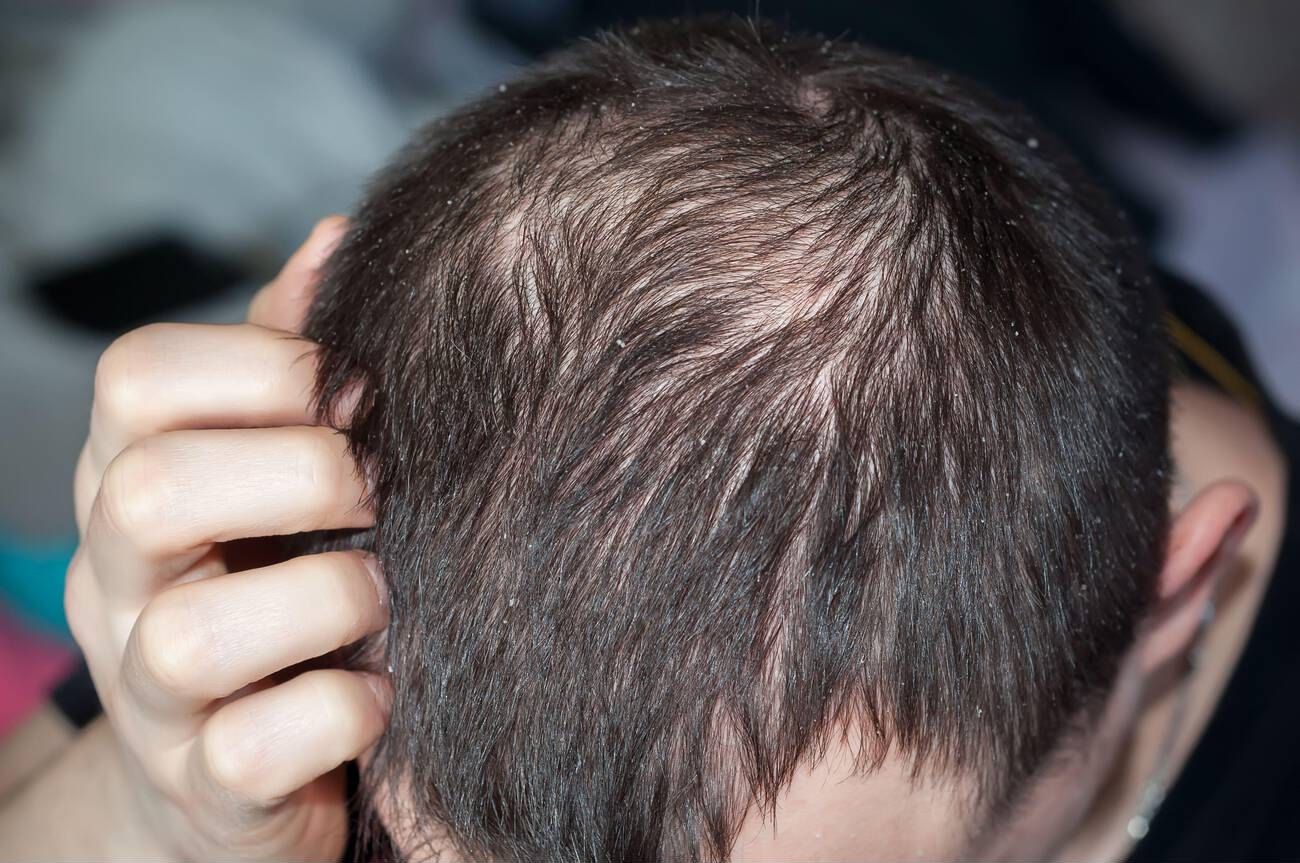
Natural treatments for alopecia (hair loss) in males can include a variety of approaches, but it’s important to note that results can vary and consulting a healthcare provider is advisable for a comprehensive treatment plan. Here are some natural remedies that have been explored:
- Scalp Massage: Regular scalp massages with essential oils like rosemary, peppermint, or lavender oil may help improve circulation to the hair follicles and promote hair growth.
- Aloe Vera: Applying pure aloe vera gel directly to the scalp can soothe the scalp and promote hair growth. It has anti-inflammatory properties that may help with alopecia.
- Onion Juice: Onion juice has been studied for its potential to promote hair growth due to its high sulfur content. It can be applied to the scalp and left for 15-30 minutes before washing out.
- Coconut Oil: Massaging coconut oil into the scalp can help improve blood circulation and moisturize the scalp, which may support hair growth.
- Fish Oil: Omega-3 fatty acids found in fish oil supplements have anti-inflammatory properties that could benefit hair growth and overall scalp health.
- Ginseng: This herb has been traditionally used to stimulate hair follicles and promote hair growth. It can be taken orally or applied directly to the scalp in the form of a shampoo or conditioner.
- Rosemary Oil: Like other essential oils, rosemary oil has been suggested to promote hair growth by improving circulation. It can be diluted with a carrier oil and applied to the scalp.
- Green Tea: Green tea contains antioxidants that may promote hair growth. Some studies suggest that applying green tea directly to the scalp could help inhibit DHT, a hormone associated with hair loss.
- Healthy Diet: Ensuring a balanced diet rich in vitamins and minerals, particularly vitamins A, C, D, and E, zinc, and iron, is essential for overall hair health.
- Stress Management: Chronic stress can contribute to hair loss. Practicing stress-reducing techniques such as yoga, meditation, or deep breathing exercises may help.
It’s important to manage expectations when using natural treatments, as results can vary and may take time to be noticeable. For more severe cases of alopecia, or if natural remedies do not seem to be effective, consulting a dermatologist or healthcare provider is recommended for personalized advice and treatment options.
Natural Remedies for Male Alopecia
Alopecia, especially in men, can be a challenging condition to manage. It often causes distress due to its impact on appearance and self-esteem. While medical treatments are available, many individuals seek natural remedies that may complement conventional approaches or provide relief on their own.
Understanding Male Alopecia
Before delving into remedies, it’s essential to grasp what causes male alopecia. Typically, it stems from a combination of genetic predisposition, hormonal imbalances, and sometimes autoimmune factors. Male pattern baldness, or androgenetic alopecia, is the most common type, characterized by a receding hairline and thinning at the crown.
Effective Natural Remedies
- Essential Oils: Essential oils such as rosemary, peppermint, and lavender are renowned for their hair-stimulating properties. They improve circulation to the scalp, promote hair follicle health, and may even help thicken hair strands over time. (Source: Healthline)
- Scalp Massage: A simple yet effective technique involves regular scalp massages. This stimulates blood flow to the hair follicles, delivering essential nutrients and oxygen. Massaging with essential oils can enhance this effect, providing a relaxing and therapeutic experience while potentially aiding hair growth.
- Nutritional Supplements: Certain vitamins and minerals play crucial roles in hair health. Biotin, vitamin D, zinc, and iron are commonly recommended supplements that can support hair growth and follicle strength. They help address deficiencies that may contribute to hair loss.
- Aloe Vera: Known for its soothing properties, aloe vera can also benefit the scalp and hair. It reduces scalp inflammation and balances pH levels, creating an optimal environment for hair growth. Regular use of aloe vera gel or juice directly on the scalp can nourish and strengthen hair follicles.
- Proper Diet: A balanced diet rich in essential nutrients is vital for overall health, including hair health. Incorporating foods high in omega-3 fatty acids (like fish and flaxseed), protein (lean meats, legumes), and antioxidants (fruits and vegetables) supports hair growth and maintenance.
Incorporating Natural Remedies
It’s important to note that natural remedies may take time to show noticeable effects and may not work for everyone. Consistency and patience are key when integrating these remedies into your routine. Additionally, consulting with a healthcare provider or dermatologist is advisable, especially when considering supplements or essential oils, to ensure they are suitable for individual needs and conditions.
Conclusion
While male alopecia can be distressing, exploring natural remedies offers a proactive approach to managing hair loss. From scalp massages to essential oils and dietary adjustments, these methods provide options that are gentle yet potentially effective. By understanding the underlying causes and experimenting with these remedies, individuals can empower themselves in their journey toward healthier, fuller hair.
For more detailed information on managing alopecia and related topics, visit WebMD’s comprehensive guide.
Remember, embracing a holistic approach that combines natural remedies with professional advice ensures a well-rounded strategy to combat male alopecia.
Natural Remedies for Male Alopecia
Alopecia, especially in men, can be a challenging condition to manage. It often causes distress due to its impact on appearance and self-esteem. While medical treatments are available, many individuals seek natural remedies that may complement conventional approaches or provide relief on their own.
Understanding Male Alopecia
Before delving into remedies, it’s essential to grasp what causes male alopecia. Typically, it stems from a combination of genetic predisposition, hormonal imbalances, and sometimes autoimmune factors. Male pattern baldness, or androgenetic alopecia, is the most common type, characterized by a receding hairline and thinning at the crown.
Effective Natural Remedies
- Essential Oils: Essential oils such as rosemary, peppermint, and lavender are renowned for their hair-stimulating properties. They improve circulation to the scalp, promote hair follicle health, and may even help thicken hair strands over time. (Source: Healthline)
- Scalp Massage: A simple yet effective technique involves regular scalp massages. This stimulates blood flow to the hair follicles, delivering essential nutrients and oxygen. Massaging with essential oils can enhance this effect, providing a relaxing and therapeutic experience while potentially aiding hair growth.
- Nutritional Supplements: Certain vitamins and minerals play crucial roles in hair health. Biotin, also known as vitamin B7, is a key nutrient that supports the production of keratin, a protein that makes up hair. Biotin deficiency can lead to hair loss, making supplementation beneficial for maintaining healthy hair growth. (Source: Medical News Today)Vitamin D is another essential nutrient linked to hair health. It helps regulate the hair cycle and supports follicle health. Low levels of vitamin D have been associated with hair loss and thinning. Increasing intake through supplements or spending time in sunlight can improve hair density and quality. (Source: Healthline)
- Aloe Vera: Known for its soothing properties, aloe vera can also benefit the scalp and hair. It reduces scalp inflammation and balances pH levels, creating an optimal environment for hair growth. Regular use of aloe vera gel or juice directly on the scalp can nourish and strengthen hair follicles.
- Proper Diet: A balanced diet rich in essential nutrients is vital for overall health, including hair health. Incorporating foods high in omega-3 fatty acids (like fish and flaxseed), protein (lean meats, legumes), and antioxidants (fruits and vegetables) supports hair growth and maintenance.
Incorporating Natural Remedies
It’s important to note that natural remedies may take time to show noticeable effects and may not work for everyone. Consistency and patience are key when integrating these remedies into your routine. Additionally, consulting with a healthcare provider or dermatologist is advisable, especially when considering supplements or essential oils, to ensure they are suitable for individual needs and conditions.
Conclusion
While male alopecia can be distressing, exploring natural remedies offers a proactive approach to managing hair loss. From scalp massages to essential oils and dietary adjustments, these methods provide options that are gentle yet potentially effective. By understanding the underlying causes and experimenting with these remedies, individuals can empower themselves in their journey toward healthier, fuller hair.
For more detailed information on managing alopecia and related topics, visit WebMD’s comprehensive guide.
Remember, embracing a holistic approach that combines natural remedies with professional advice ensures a well-rounded strategy to combat male alopecia.