
Water: The Second Most Vital Element for Life
Water is the second most vital element needed for life. The number one vital element, of course, is oxygen, and that’s not a surprise, is it? You can go about three minutes without oxygen, but when it comes to water, you can last a couple of weeks. Many people think you can only go three days without water, but after reading The Long Walk—a story about people escaping from a Siberian work camp who went nearly two weeks without water in the desert—I learned that the body can survive much longer than most of us think.
The Importance of Water
Water is so essential that wherever there is no water, you usually don’t find people living there. It’s simple: no water, no life. I often ask people, “How much water do you drink?” And the answers I get are interesting: “I don’t like water,” “If I drink water, my feet swell,” or “If I drink water, I’m going to the bathroom all day.” Those last two answers tell me that the water they’re drinking isn’t getting inside their cells, and that’s the key issue.
So, how do we get water into the cells where it’s needed? That brings us to the third most vital element needed for life: sodium.
Sodium: A Key Element for Hydration
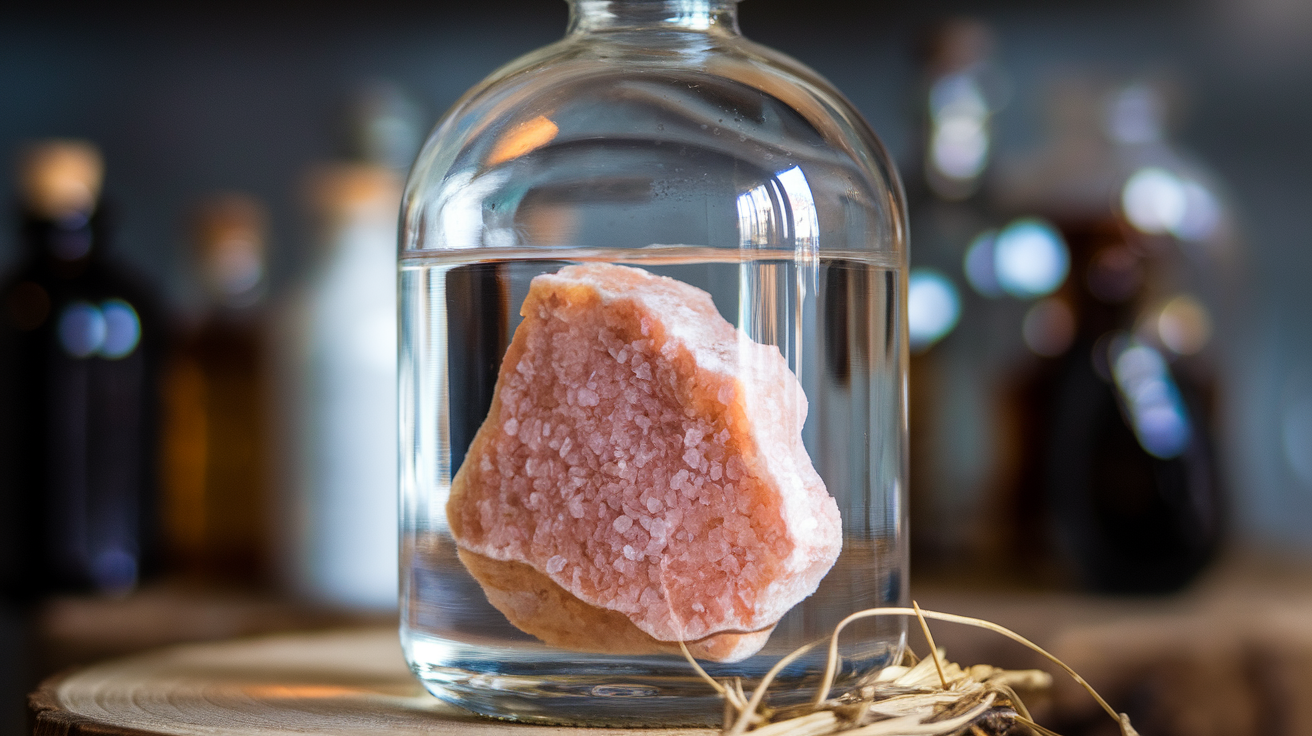
Sodium is crucial for helping water get inside your cells. In nature, the highest amount of sodium is found in seawater, which contains 92 minerals. Of those minerals, about 30% is sodium and approximately 50% is chloride. When seawater evaporates, sodium chloride forms the first crystals. What happens next is man scoops up these first crystals, bleaches them white, adds aluminum so they flow freely, and voilà, there’s your table salt.
Table salt, however, is a dangerous salt. Why? Because it consists of only two harsh minerals—sodium and chloride—without the other 90 minerals needed to soften and balance them. If you injected those two minerals straight into the bloodstream, it would be lethal. Sodium and chloride need all the other minerals to be in harmony, otherwise, they can wreak havoc in the body.
Inside the cell, the highest concentration of minerals is potassium. Outside the cell, it’s sodium. The cell membrane that surrounds every cell in your body contains sodium-potassium pumps that are constantly at work, maintaining the balance between sodium and potassium. When people aren’t eating enough fruits and vegetables (which are high in potassium) and are using table salt excessively, sodium levels rise and potassium levels fall.
The Effects of Sodium Imbalance
While there is a small amount of sodium inside the cell, too much causes problems. When sodium levels rise inside the cell, it pulls water in through osmosis, and the cell swells. This is what’s happening with high blood pressure. So, yes, your doctor is right—table salt contributes to high blood pressure.
There’s a French doctor, Dr. Le Langre, who has written a whole book on salt. When people come to him with high blood pressure, he puts them on Celtic salt instead of cutting salt out completely. Why? Because Celtic salt contains 82 minerals in a balanced form, unlike table salt. It’s hand-harvested from the sea, and all the minerals are still intact.
Celtic Salt vs. Himalayan Salt
People often ask about Himalayan salt, which is much more accessible in many places. Himalayan salt has about 75 minerals, so it’s pretty good, but I still prefer Celtic salt. One reason is that Celtic salt contains three types of magnesium: magnesium chloride, magnesium bromide, and magnesium sulfate. These magnesiums are water-hungry molecules, and that explains why Celtic salt is so moist, especially after a lot of rain. These three magnesiums absorb moisture from the air, making it a great choice for hydration.
How Celtic Salt Helps Hydration
Magnesium is key to hydration because it helps get water inside the cell. Here’s how it works: take a small crystal of Celtic salt and place it on your tongue. Some people ask, “How big should the crystal be?” If you have high blood pressure, start small—about the size of a sesame seed. I don’t have high blood pressure, so I might use three crystals about the size of sesame seeds.
When you place the crystal on your tongue, the mucous membranes start absorbing the minerals. The magnesium is taken to the cell membrane, and when you drink water, that magnesium pulls the water inside the cell. It’s the quickest way to hydrate the body. The only time drinking excess water can be dangerous is when people drink too much water without the minerals from Celtic salt to help pull that water inside the cell.
Overhydration and the Need for Minerals
Some people complain that they’re drinking more water but find themselves running to the bathroom all day. I always ask, “Are you having the salt?” If not, they’re missing the key component to proper hydration. Without the necessary minerals, especially those found in Celtic salt, the water just passes through the body without being absorbed properly into the cells.
So, next time you’re drinking more water but don’t feel hydrated, try adding a little Celtic salt. It’s a simple and effective way to make sure your body is truly getting the hydration it needs.
In conclusion, water is the second most vital element for life, but without the right balance of sodium and potassium, your cells won’t absorb it properly. By using natural salts like Celtic salt, rich in magnesium and other essential minerals, you can ensure that the water you drink is effectively hydrating your body. Whether you use Celtic salt or Himalayan salt, the key is to choose natural, unprocessed salts that contain a wide range of minerals. These salts help balance the body’s fluids and ensure that water gets inside your cells where it’s needed most.
Before Every Glass of Water
I always tell people, “Before every glass of water, you should have a tiny bit of salt.” Ideally, we should be having approximately eight glasses of water a day. Then I explain, “Don’t drink a whole glass at once.” I think I mentioned earlier that I drink half a glass as soon as I get up, head to the bathroom, and then drink another half glass. After that, I get dressed and have another half glass. But before starting each glass, I always take a tiny crystal of salt.
Spread the water out throughout the day. Many people have come back to me and said, “Thank you so much. That advice has made a huge difference.” You see, when you drink too much water at once, it passes through quickly, just like when you water a plant. Look at how God sends the rain—little by little. When there’s a torrential downpour, what happens? The soil gets washed away, and flooding can occur. Remember this when it comes to your body: take water little by little. That’s the best way to absorb it.
Our gastrointestinal tract is lined with villi, and on those villi are receptor sites designed to take glucose into the blood. Within these villi, there are blood capillaries that run throughout. On the receptor site, there’s a carrier that’s meant to transport glucose to the blood. However, this carrier won’t accept glucose unless it comes with a molecule of sodium. I read this in my anatomy and physiology book and memorized the sentence so I could share it with you straight from the source: “Sodium is the main transport system of glucose across the brush border wall and into the blood.”
Yet what are we often told? “Don’t eat salt.” Well, I agree—don’t eat table salt. Table salt throws off the mineral balance inside and outside the cell. And did you know that sodium chloride, the primary ingredient in table salt, is so strong it can kill your taste buds? Have you ever seen people who sprinkle table salt on everything before even tasting it? No wonder their taste buds are dead!
On the other hand, Celtic salt, with all of its minerals, enhances the flavor of food. For instance, I’ve served a dish of red lentils, and people have asked, “Is there chicken in this?” It’s just red lentils, a bit of olive oil, herbs (preferably fresh or Italian), Celtic salt, and a little turmeric. That’s it! Yet people often find it so flavorful. And the best part? It’s quick and simple. You just rinse the lentils well, and they’re ready to cook.
Sodium’s Role in Hydration and Glucose Transport
Sodium isn’t just important for getting glucose into the blood; it’s also necessary for getting water into the cells. Sodium is the third most vital element for life, a fact you can find in any anatomy, physiology, chemistry, or biology book. I’m simply sharing the facts with you.
As you can see, water is essential, but so is salt—particularly Celtic salt, which contains a wide array of balanced minerals. This natural salt helps ensure that both glucose and water can effectively enter the cells where they’re needed. Without it, the body can struggle to hydrate and nourish itself properly.
Now let’s talk about potassium, found in fresh fruits and vegetables. Potassium plays a crucial role in maintaining the balance of water and minerals in the body. But it’s not just about sodium and potassium. For instance, calcium cannot enter the cell on its own; it needs vitamin D to facilitate the process. Once vitamin D is present, calcium is pulled into the cell, and other minerals piggyback on the back of calcium to get in as well.
How Magnesium Helps Hydration
Another key point to remember: when you place magnesium from Celtic salt on your tongue and drink water, the magnesium helps pull water inside the cells. The cell membrane surrounding each cell contains a small motor. As the water is pulled into the cell, this motor begins to spin, generating a unit of energy. So, when you’re feeling tired or a little hungry mid-morning, try having a small crystal of salt with some water. You’ll notice a nice little energy boost.
When others step outside for a cigarette or a cup of coffee, you can step outside with your Celtic salt and glass of water instead. It’s a healthier pick-me-up. And if you’re working in an office, head outdoors and find a tree to breathe in some fresh oxygen. Deep abdominal breathing gives your body the oxygen it needs to produce energy—oxygen gives you 18 times more energy than when your body functions without enough of it.
In the muscle cells alone, there can be up to a hundred energy cycles, far more than most of us realize. When you go for a morning walk, you’ll find that you actually get more energy than you expend, thanks to the increased oxygen intake and these numerous energy cycles working in your favor.
Now, let’s get back to glucose. Glucose can’t enter the cell by itself; it requires insulin. Insulin acts as the key that unlocks the door, allowing glucose to pass into the cell. But here’s where the issue of insulin resistance comes in. Before diabetes develops, many people experience insulin resistance. Have you heard of that term? It means that the cells are resisting the insulin, so glucose can’t get in. What happens then? The glucose remains in the blood, and the brain signals the pancreas to produce more insulin.
But the problem isn’t a lack of insulin—the issue is that the cells are resistant to it. What causes this? A diet high in carbohydrates and sugar. The cells become overwhelmed and say, “We’ve had enough!” So the best way to recover from insulin resistance is to lower your glucose intake by cutting down on carbohydrates, increasing fiber, and focusing on good proteins and healthy fats.
Hydration, Minerals, and Insulin Resistance
Now, imagine what’s happening in the body when people aren’t drinking enough water. They’re avoiding whole salt and not eating enough greens, which provide essential magnesium. The little water they do consume isn’t getting into the cells properly. To make matters worse, they’re avoiding the sun out of fear of skin cancer, so they aren’t getting the vitamin D they need to help calcium enter the cells. And then, they’re on a low-fat, high-carbohydrate diet because they think it will help them lose weight.
But here’s the problem: good fats help you feel full and satisfied. Without fats, you can just keep eating and eating, without your body signaling that you’ve had enough. That’s why a whole packet of cookies or chips can disappear without you even realizing it. It’s the fiber, protein, and healthy fats that give you the signal to stop eating.
So, in this scenario, the water can’t get into the cells, minerals can’t get in, and glucose can’t get in. The body is confused, and it tries to compensate by forcing things through—this is one of the ways people end up with high blood pressure. High blood pressure can be caused by dehydration, mineral deficiencies (especially magnesium), vitamin D deficiencies, and a high-carbohydrate, high-sugar diet. It can also result from inactivity. So, there are multiple factors at play, and that’s why we need to put on our detective hats and figure out the root causes. Sometimes, it’s a combination of factors.
You might recall from an earlier talk that genetics load the gun, but lifestyle pulls the trigger. Understanding how the cell works is key to figuring out how all these factors affect the body.
Dr. Batmanghelidj’s Research on Water
There’s a book I highly recommend called Your Body’s Many Cries for Water by Dr. Batmanghelidj, an Iranian doctor. The book’s subtitle says it all: “He’s not sick; he’s thirsty.” Dr. Batmanghelidj was a political prisoner in Iran in the 1970s or 80s, and because he was a doctor, other prisoners came to him for help with their health problems. The only thing he had to offer them was water. No matter the issue—headaches, ulcers, asthma—he gave them water. They’d drink a glass, and 15 minutes later, he’d give them another glass. Often, by the time they’d had three glasses of water within half an hour, their symptoms had eased.
Dr. Batmanghelidj was amazed. He didn’t expect water to have such a profound effect. So he began documenting his findings. When the government eventually released him, he asked to stay longer to finish his research. His findings have been published in medical journals and presented at conferences, but the topic of water as a treatment isn’t very popular because, well, there’s no money to be made from water!
That’s why his book’s subtitle, “Don’t treat thirst with medications,” is so relevant. It’s a fascinating book, and it was an eye-opener for me.
Understanding Dehydration’s Impact on the Body
Let’s explore how dehydration impacts various body functions, starting with the mouth. You might be surprised to learn that chronic dehydration can cause the body to produce too much saliva. Many people think a dry mouth is the main sign of dehydration, and while it is, an excess of saliva can also be a sign. When the body isn’t getting enough water, it goes into drought management mode, releasing a hormone called histamine. The body starts conserving water to maintain blood volume in the veins and arteries, and one of the first places it pulls water from is the lining of the stomach.
The stomach is lined with a thick mucosal wall that contains sodium bicarbonate to neutralize stomach acid and protect against ulcers. But when the body is dehydrated, that protective layer thins out. Without sufficient water, the sodium bicarbonate becomes less effective, and the risk of developing a stomach ulcer increases.
Water Loss and the Body’s Needs
Let’s assess how much water we need. We lose 1.5 liters (or quarts) of water through urination each day, another 0.5 liters through the skin, 0.3 liters through the colon, and about 0.2 liters through the lungs. That adds up to a total daily water loss of 2.5 quarts—equivalent to eight cups of water. We have no reserve tank for water, so the only water we can use is what we take in daily.
For those of you enjoying steam saunas, your water loss may be even greater—possibly as high as 0.8 liters just from sweating. While some of our water intake comes from fruits, vegetables, teas, and juices, it’s clear that we need at least two quarts (eight cups) of water each day, and ideally more when possible.
Dr. Batmanghelidj’s research showed that when the body experiences water loss and isn’t replenished, it releases histamine to manage the situation. This leads to the sensation of thirst, but thirst is often a late-stage indicator of dehydration. Histamine also plays a role in allergic reactions, and people who experience such reactions are often given antihistamines. But you know what the best antihistamine is? Water.
By drinking water regularly and maintaining adequate hydration, we can avoid triggering these histamine responses and ensure our body functions smoothly.
Let’s continue by looking at what happens when we don’t drink enough water. The first place water is taken from during dehydration is the lining of the stomach. We mentioned before that the stomach is protected by a thick mucosal wall. Inside that wall is sodium bicarbonate, which neutralizes any acid that tries to break through, protecting us from developing ulcers. But when we’re dehydrated, that mucosal lining thins out, and the body has less sodium bicarbonate available to defend against stomach acid. This is how dehydration can contribute to the development of stomach ulcers.
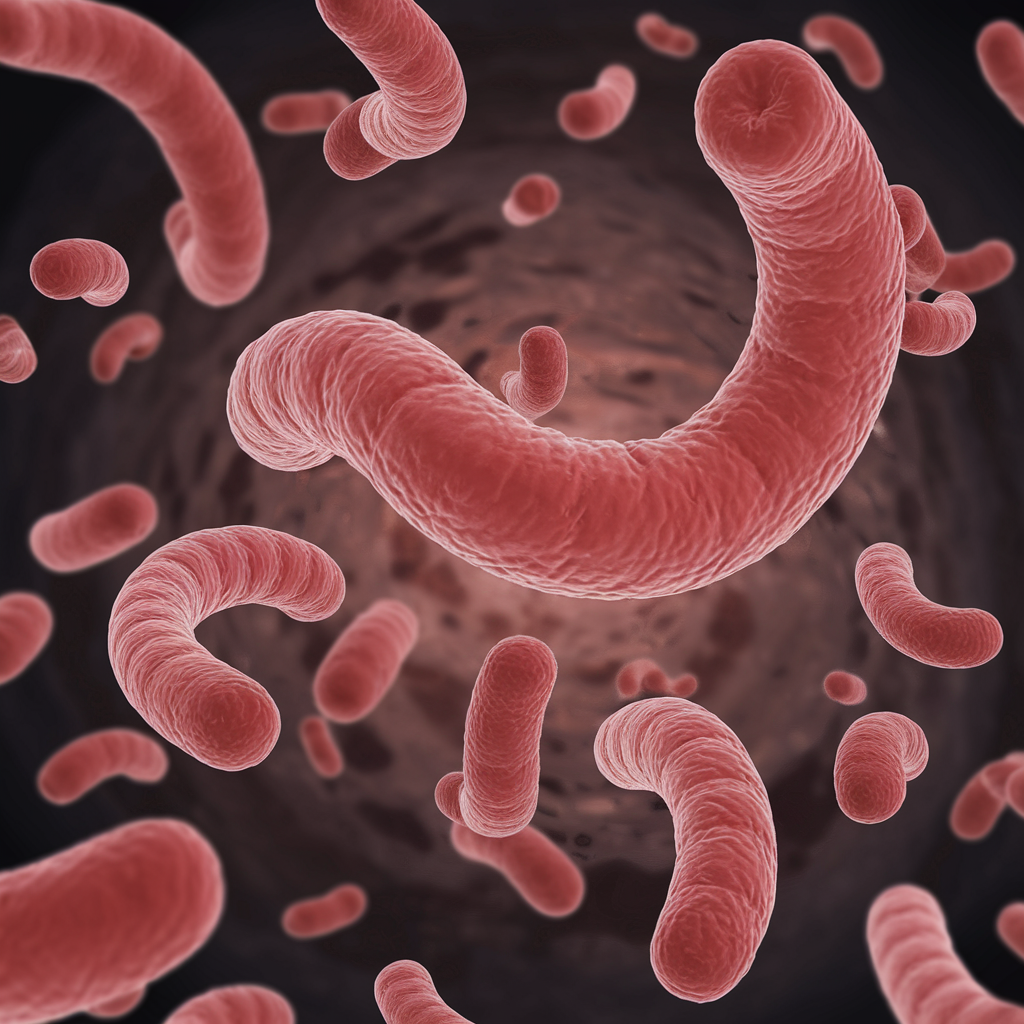
A couple of Australian doctors discovered Helicobacter pylori, a bacterium that causes stomach ulcers, about 20 years ago. You may have heard of this theory. In fact, some people even volunteered to swallow this bacterium, and sure enough, they developed ulcers.
I had a man from South Africa come to one of our programs. He and his wife attended together, but he didn’t want to be there. His wife had paid the full amount for both of them, so he came reluctantly. He was about 57 years old and didn’t really want to answer my questions—he responded abruptly and shortly. I wasn’t offended because I could tell he was just upset with his wife for dragging him along.
When I asked him if he drank two liters of water a day, he quickly replied, “No.” I didn’t push further and moved on to the next question. I asked if he was taking any medication, and he said he was on a different antibiotic every month to kill the Helicobacter pylori in his stomach. He had been suffering from stomach problems for 25 years.
I asked him what his doctor had said about his ongoing stomach issues, and he told me that no matter what medication they tried, nothing seemed to work. I told him, “Well, it sounds like we need to work on a few things here.”
He has been all over the world. So, the latest thing he was trying was antibiotics because they found he had Helicobacter in his stomach. I said, “Ah, how long have you been on this program?” He said, “Four months.” So he’s had four doses of Helicobacter pylori, and guess what? It’s still there, and he’s still got the stomach pain.
I said, “Are you interested in trying an alternative to your medication?” He said, “No, I’m very happy with my medication, thank you very much.” And I always give everyone respect; I respect everyone’s choices. Isn’t that our God-given right? Absolutely. I just said, “Ah,” and I left it there.
Now, after the first lecture, where I talked about the body’s ability to heal itself, I explained that when we have a problem, we should be looking at how the body heals and working with it. He and his wife, who was on the medication too, came straight up to me. He said, “That made more sense than anything I’ve ever heard. I’m willing to do what you suggest.” I said to him, “I have no authority over your medication, but if it were me, I would cease it because it hasn’t worked so far, and I would try the herbs that I suggest.” He said, “I’m willing.”
So, what I did was give him a herb called slippery elm, which coats and soothes the lining of the gut. He did our basic program: two days on juices. We encourage people, of course, to drink water between every juice. At the end of the week, I had a very happy man in front of me. He was eager to tell me something. I said, “Yes?” He said, “I’ve had no stomach pain for two days—first time in 25 years!” I said, “That’s good news!” And he said, “I’ve worked out the problem.” To me, that was even better news because, who’s the doctor? We are!
I said, “What was the problem?” He said, “I was drinking nothing between meals, and I was drinking almost a whole liter of water with every meal.” So I want to show you what was happening in his gut.
He was drinking nothing between meals, which means the lining of his gut was very thin. This thin lining allowed the hydrochloric acid to break down the tissues. Remember, the bacteria are opportunistic organisms. As a result, the body’s own microorganisms changed roles and came to the cleanup team. Remember the garbage collectors? They started to clean up the dead tissue, and their name was called Helicobacter pylori.
See, you have to ask why they are there. No wonder they find Helicobacter pylori in every case of stomach ulcer—they’re there to clean up the mess.
Now, as God would have it, when we smell food and start to chew, hydrochloric acid is released. Hydrochloric acid connects with pepsinogen to release pepsin, which breaks down protein. But hydrochloric acid does something else—it’s antifungal and antibacterial. It has the ability to wipe out these organisms. Just as hydrochloric acid is about to wipe these guys out, he drinks a big glass of water. What does water do to hydrochloric acid? It dilutes it!
So Helicobacter pylori is chomping away at the dead tissue and thinks, “That was close! Chomp, chomp, chomp!”
What this man discovered is that he was drinking water at the wrong time. Do you remember I said earlier, “How much water did you drink a day?” and he said, “Two liters.” Because he was a little abrasive with all his answers, I decided not to push it anymore.
Now he drank early in the morning and stopped drinking half an hour before his meal. That half an hour before the meal immediately thickened that mucosal wall. The water he had the day before fed the hydrochloric acid that’s made in the liver. So let’s have a look at what’s happening now.
Being at the health retreat, he was drinking water at the right time—between meals. His mucosal wall was getting thicker. Then when he ate his meal, hydrochloric acid, which wasn’t being watered down anymore, came down and wiped out Helicobacter pylori. What a wonderful process! Who healed him? His body healed itself when given the right conditions.
When someone comes to me with Helicobacter pylori, one of the first things I do is increase their hydrochloric acid. If you increase the hydrochloric acid, remember what one of its roles is: antibacterial, anti-yeast, and antifungal.
Now, I’m not criticizing the doctors who discovered that Helicobacter pylori causes stomach ulcers. It is there; it does play a role, but why is it there? Can you see that? Unfortunately, on the board that awards Nobel Prizes are representatives from pharmaceutical companies. So we won’t go any further there. I certainly am not saying people in it don’t deserve Nobel Prizes—absolutely they do because of their great work.
But I’m just presenting you with the facts. I’m just giving you the basic anatomy and physiology.
So this man, who’d had stomach pain for 25 years, found relief by just drinking water at the right time, which allowed his body to heal itself. Dr. Batman held that the first place we lose water is in the lining of the gastrointestinal tract.
He also found that if you go down the gastrointestinal tract, you come to the pancreas, which releases two hormones into the blood to help balance blood sugar levels—that’s insulin and glucagon. If you’re dehydrated, those hormones aren’t being made as they should be. So, people that are dehydrated can have a contributing factor to diabetes.
He also discovered that there are hormones released from the pancreas to finalize digestion. There’s pancreatic lipase to finalize fat digestion, pancreatic amylase for starch digestion, and trypsin and chymotrypsin to finalize protein digestion. They’re all made out of water. If you don’t have enough water, your digestion will be compromised at every stage.
Water is needed for every body function, so no wonder Dr. B titled his book When a Person Has a Symptom of Disease, It Must Be One of the Body’s Many Cries for Water. That’s the title of his book. Our brain cells shrink when they don’t have enough water. Headaches are common when we don’t have enough water, and negative thought patterns can develop when our brain cells lack hydration.
I can get my hand to move in and out like that without pain because around every joint, there’s fluid. That fluid is synovial fluid, and it is 99% water.
In a state of dehydration, the body can take some water from there to maintain full blood volume in the major arteries and veins. If I have pain there, maybe it’s called arthritis, but actually, maybe it’s just a state of dehydration.
Our eyeball moves around in water, so we need water at every single step. Also, our lungs—now at the bottom of our lungs, I’ll draw you a small picture of our lungs so that you’ll understand this.
Here’s our lung. That’s one lung. The trachea splits and comes down, and then it splits again into little bronchi. It’s quite a process. Then, at the end of every bronchiole, there’s a little bunch of grapes, but they’re alveoli. This is where the gaseous exchange takes place. Over every alveolus, there’s a little blood capillary network.
It is in that blood capillary network where the oxygen is picked up from the alveoli, and the blood drops off carbon dioxide, which we breathe out. In every alveolus, there’s a minuscule droplet of water. Because of the surface tension of water, when you breathe out, that little alveolus collapses, allowing all the carbon dioxide—most of it—to be exhaled.
So that now when you breathe in, you can take in more oxygen. In a state of dehydration, that little droplet of water is not as it should be, meaning it doesn’t collapse entirely when you breathe out. This results in not getting your full quota of oxygen.
But what also happens? The body, to prevent water loss, can start constricting the bronchioles so that we don’t lose water. Therefore, one of the signs of dehydration can be constricted breathing.
The blood gets very thick in dehydration. Our blood needs to be nice and thin so the heart can pump it easily and the little filtering units in our kidneys can filter it with ease. So, water is needed for every single body function.
I’m going to give you a story of a man who came to our retreat with three main problems: chronic headaches, which he took a lot of painkillers for; a very congested chest; and terrible lower back pain. Did you know that 75% of the weight held in your lower back is held by water? The other percentage, of course, is taken up by your ligaments and muscles. So a state of dehydration can lead to lower back pain.
That’s what this man had. When I was consulting with him, I asked, “How much water do you drink a day?” He said, “I don’t drink water.” I said, “You don’t drink water? What do you drink?” He replied, “Ah, Coca-Cola, coffee.”
Because he had a lot of painkillers, he was only 44. He was a well-built man, but at 44, his quality of life had deteriorated. So we encouraged him to start drinking more water. By the end of the week, this man was so happy because his headaches had disappeared, his back pain had eased, and he could breathe much easier.
About five weeks later, I got an email saying, “Thank you so much for the time spent at your retreat! I’ve had no headaches, no back pain, and I can breathe much better.”
Why? All that was done was to give him a little more water.
So this leads me to the conclusion that dehydration causes numerous health issues, many of which can be solved by simply drinking enough water. I also had a guest at our retreat, a 45-year-old woman who brought her elderly mother who had dementia. Just by increasing their water intake and getting their bowels moving, they experienced significant improvement.
I said to them, “Drink water little by little throughout the day.” It is essential to keep hydrated. Water is critical for health, and it can be life-changing.
In our journey to care for our bodies, we should recognize the importance of hydration. This isn’t just about drinking more water; it’s about giving our bodies the support they need to function optimally. When we respect our bodies and provide them with the necessary conditions to heal, we honor the incredible gift of life that God has given us.
As we take care of our bodies with the proper hydration, nutrition, and rest, we can experience the fullness of life that we were designed to enjoy. Let’s continue this journey together, focusing on holistic health and wellness, as we discover the profound impact of simple choices on our lives.
Chronic Dehydration and the Stomach
This man’s story highlights a common misunderstanding about how dehydration impacts our stomach. Many people focus solely on bacteria or medication without realizing the crucial role water plays in maintaining stomach health. Dehydration can reduce the protective lining in the stomach, making it more susceptible to damage from acid or bacteria like Helicobacter pylori. Without enough water, the stomach loses its natural defenses, and long-term damage, like ulcers, becomes more likely.
When you experience digestive issues—whether it’s acid reflux, heartburn, or stomach pain—the solution isn’t always to reach for antacids or medications. Often, simply increasing your water intake can help alleviate these problems by restoring the stomach’s natural protective barrier.
How Dehydration Affects the Colon
Let’s move down to the colon. The colon is responsible for reabsorbing water to maintain fluid balance in the body. But when the body is dehydrated, it draws extra water from the colon, leaving stools hard and dry—a common cause of constipation. Many people think constipation is just a matter of diet or fiber, but it can also result from chronic dehydration.
When water intake is insufficient, the colon works harder to reabsorb water, leaving little moisture in the stool. That’s why one of the first recommendations for those experiencing constipation is to drink more water.
The Lungs and Dehydration
Water is also essential for maintaining the mucous membranes in the lungs. These membranes help filter and trap dust, allergens, and bacteria. When we’re properly hydrated, our lungs function more effectively, and we breathe more easily.
But when we’re dehydrated, the mucous membranes dry out, and the lungs can’t filter as efficiently. This can lead to respiratory issues such as coughing, difficulty breathing, or even exacerbating conditions like asthma.
The Skin and Water Loss
We also lose water through our skin. Proper hydration keeps the skin supple and functioning as a barrier to prevent the loss of moisture. In contrast, when you’re dehydrated, your skin becomes dry, flaky, and more prone to irritation or cracking. Hydration is crucial for keeping the skin healthy, and it’s one of the reasons many people notice clearer skin when they increase their water intake.
The Role of Histamine in Water Regulation
As I mentioned earlier, when the body is low on water, it releases histamine to manage the drought. Histamine helps regulate the body’s water balance by restricting the flow of water to less critical areas and prioritizing vital organs like the heart and brain. But histamine has a downside—it’s also involved in allergic reactions. When histamine levels are high due to dehydration, people may experience allergy-like symptoms, such as itchy eyes, sneezing, or congestion.
If someone with allergies isn’t drinking enough water, they may be exacerbating their symptoms. Instead of reaching for antihistamines, it’s worth considering whether they’re getting enough water. Simply increasing water intake can help manage histamine levels and reduce allergy symptoms.
Water and the Brain
Now, let’s talk about how dehydration affects the brain. Even a small decrease in hydration levels can impair cognitive function, leading to symptoms like brain fog, difficulty concentrating, and irritability. Dehydration can also trigger headaches or migraines, as the brain needs adequate water to maintain its volume and function properly.
Thirst Is a Late Warning Sign
One important thing to remember is that thirst is a late-stage warning sign. By the time you feel thirsty, your body has already entered mild dehydration. The goal is to drink water regularly throughout the day, not just when you feel thirsty, to keep your body functioning optimally.
If you wait until you’re thirsty to drink water, it means your body has already gone into drought management mode. So, to prevent dehydration from affecting your body’s various functions, it’s crucial to be proactive about drinking water.